Summer Arts & Activism
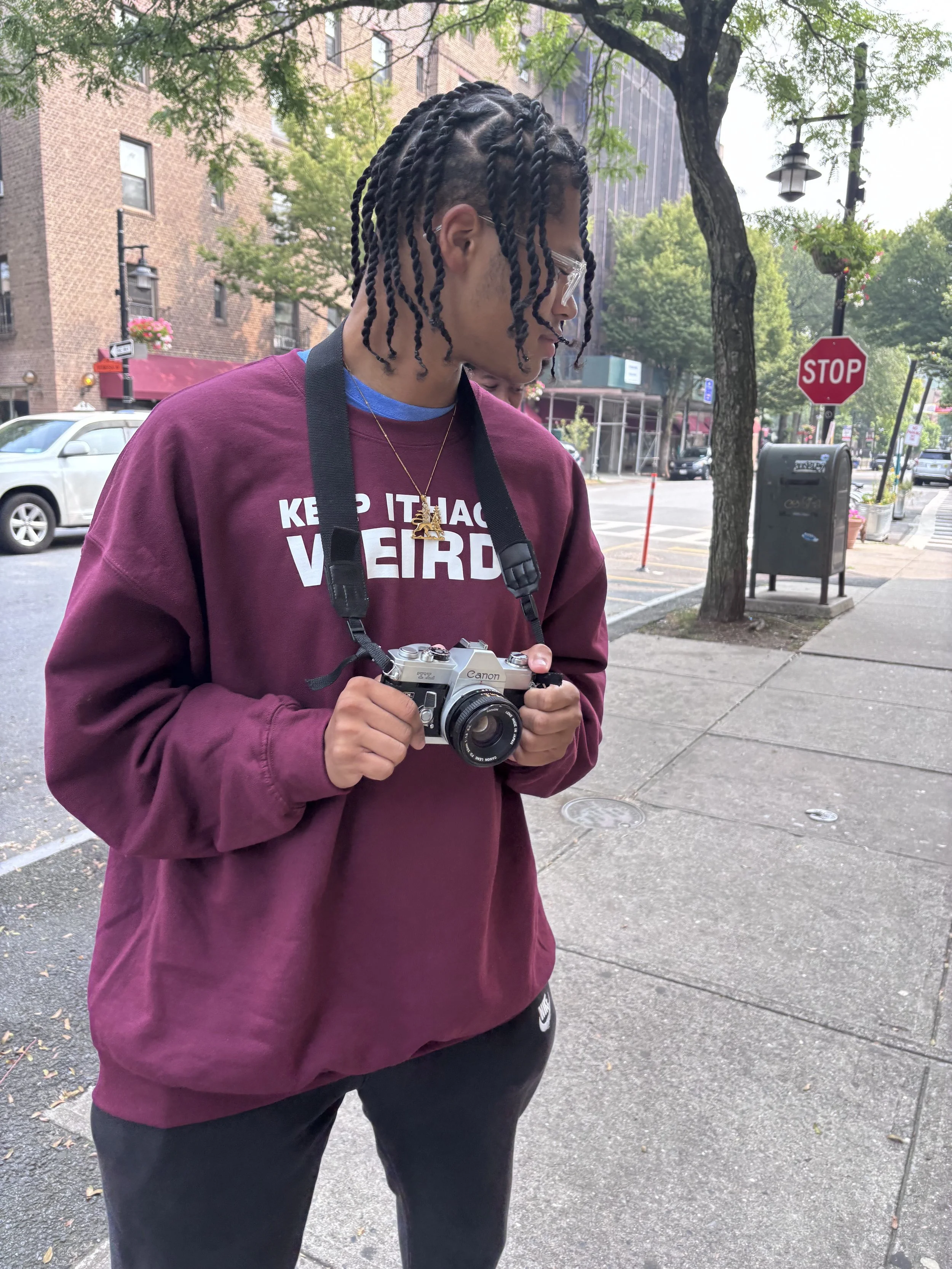
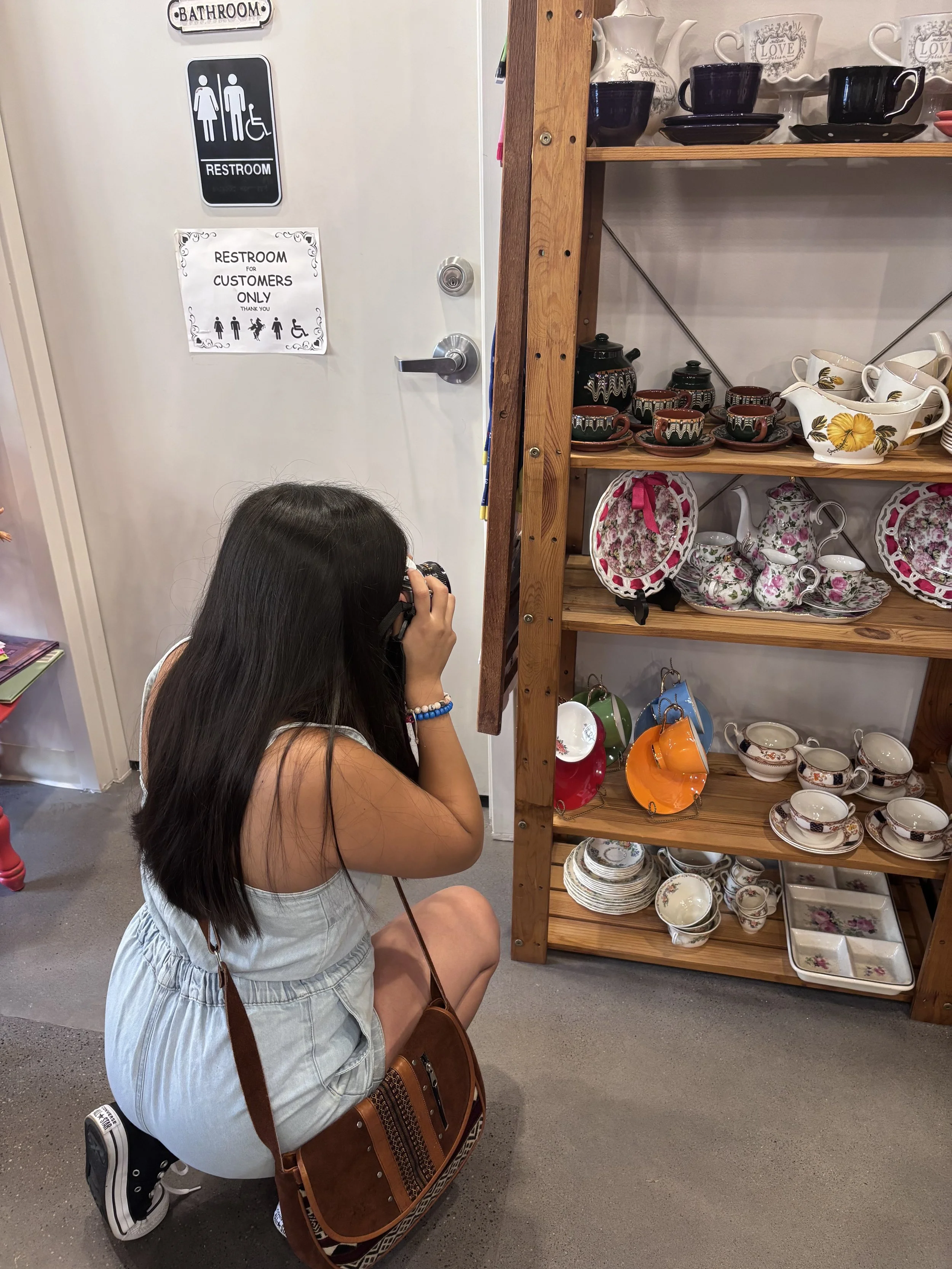
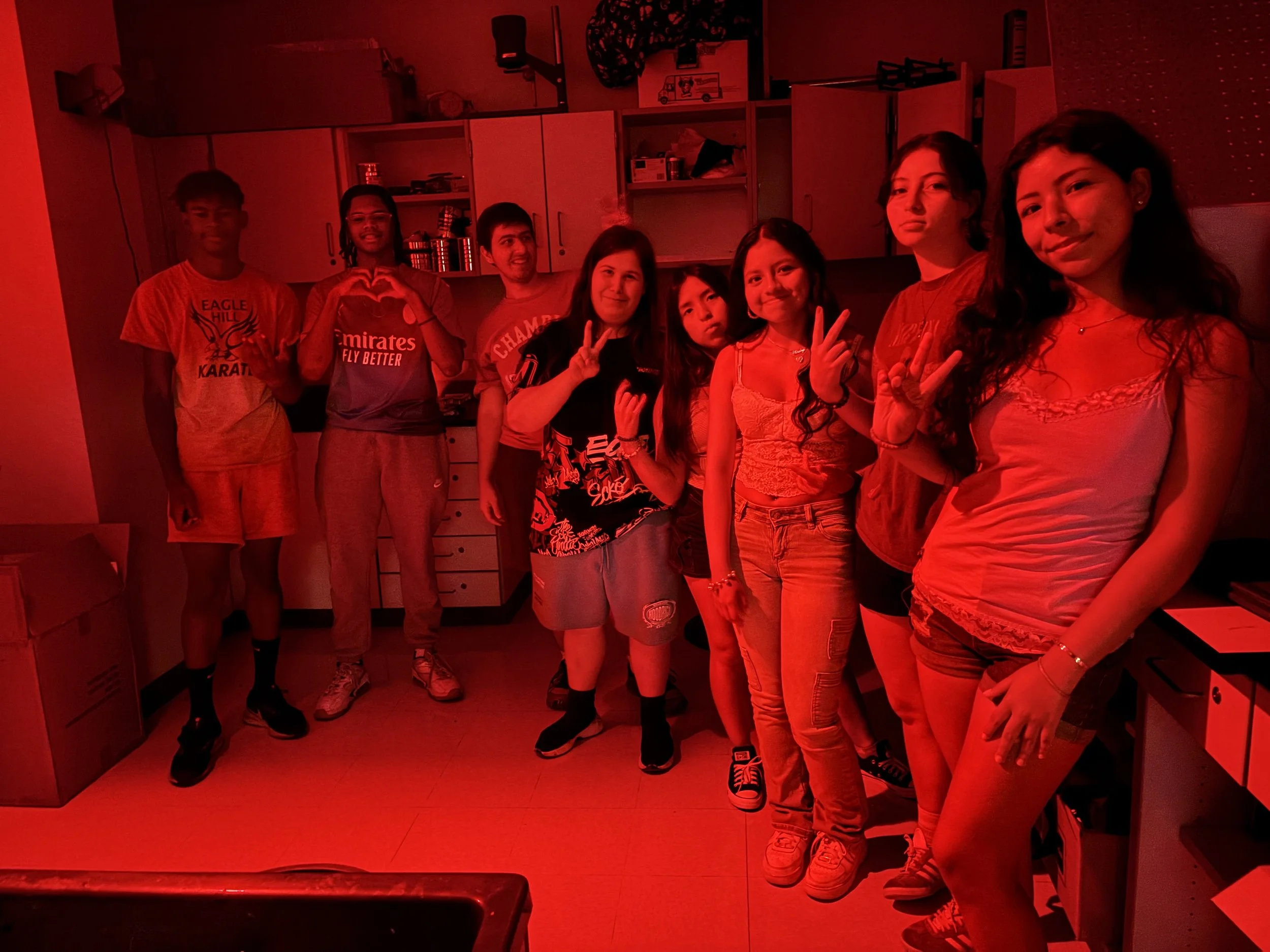
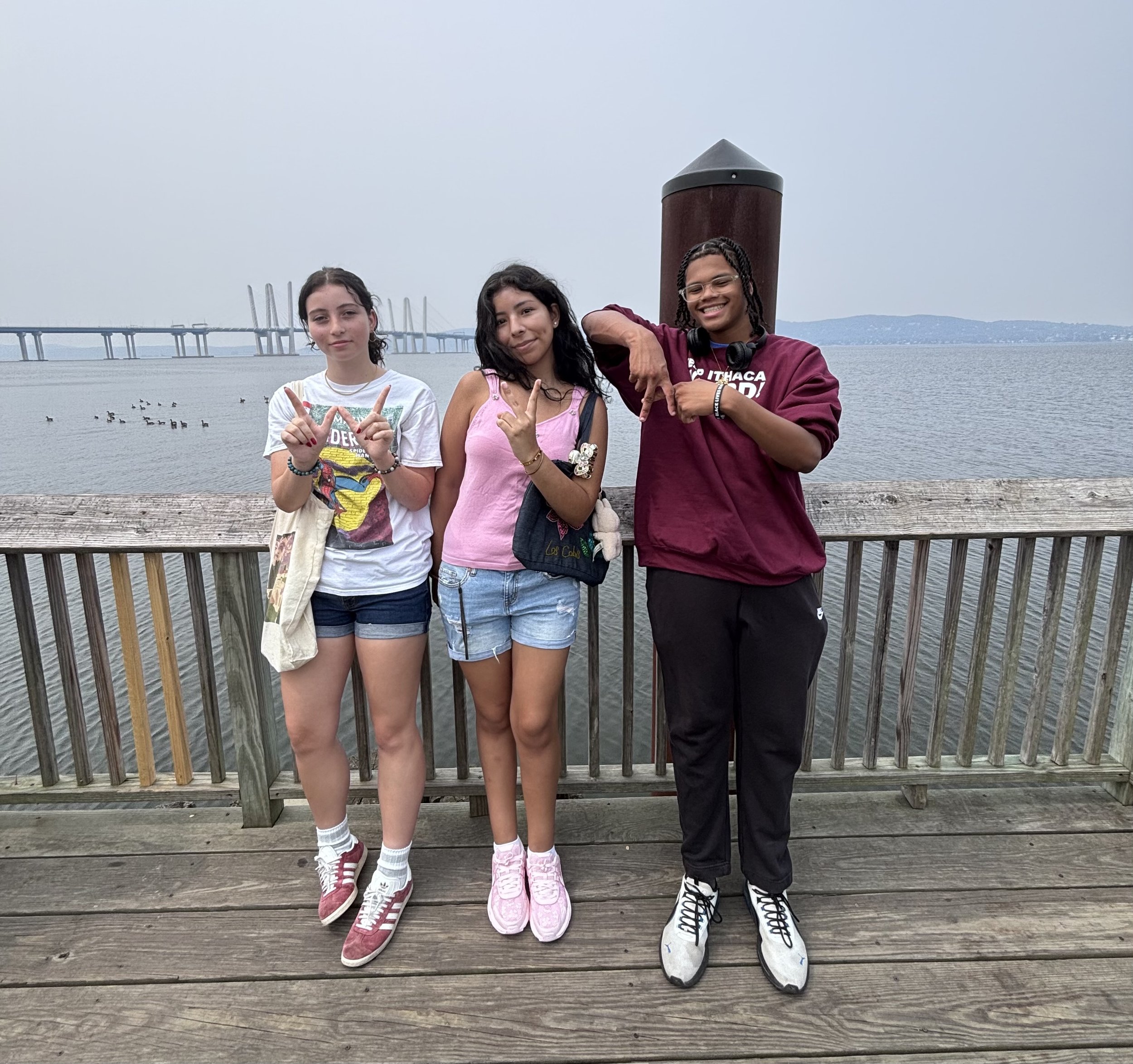
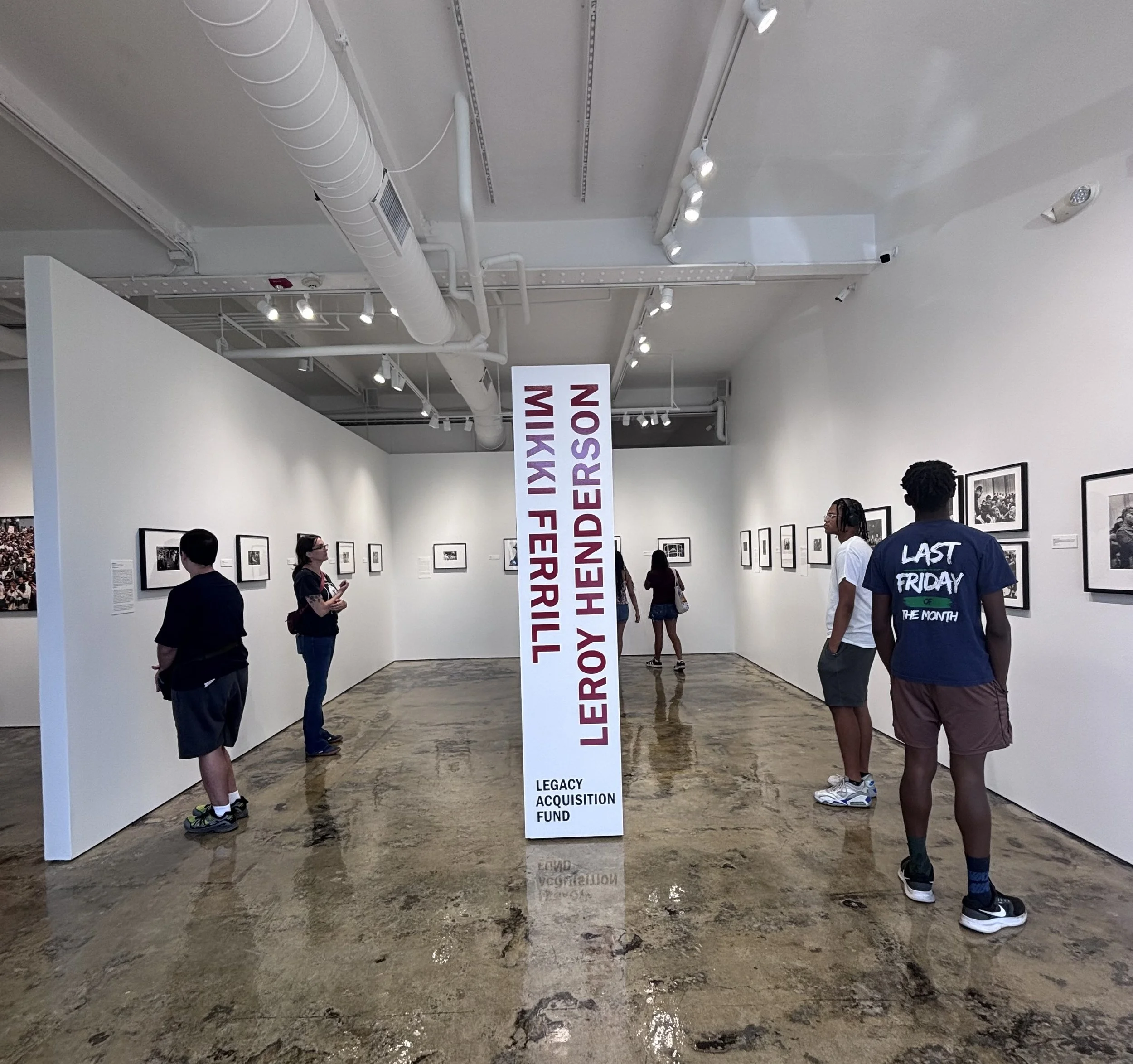
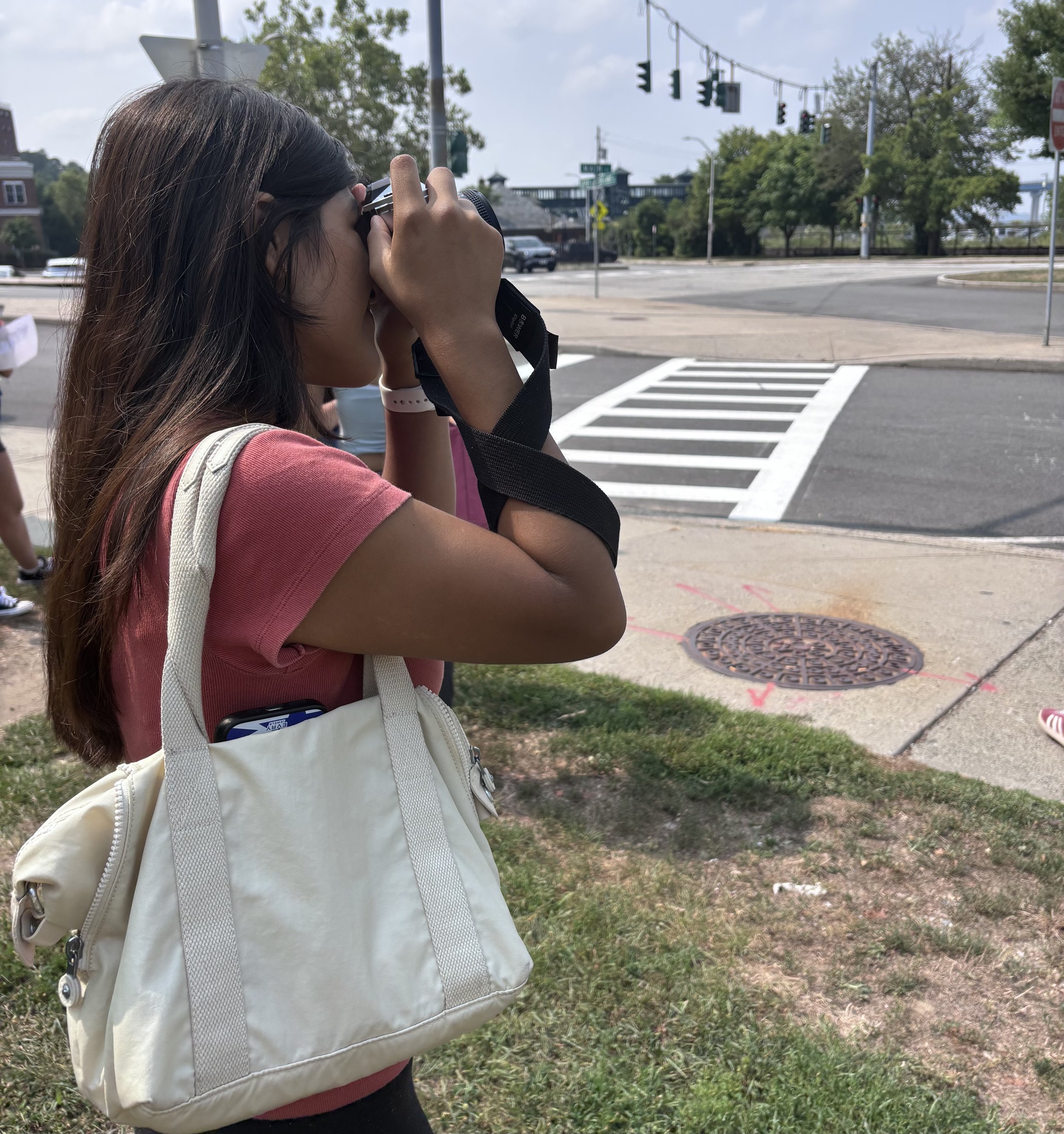
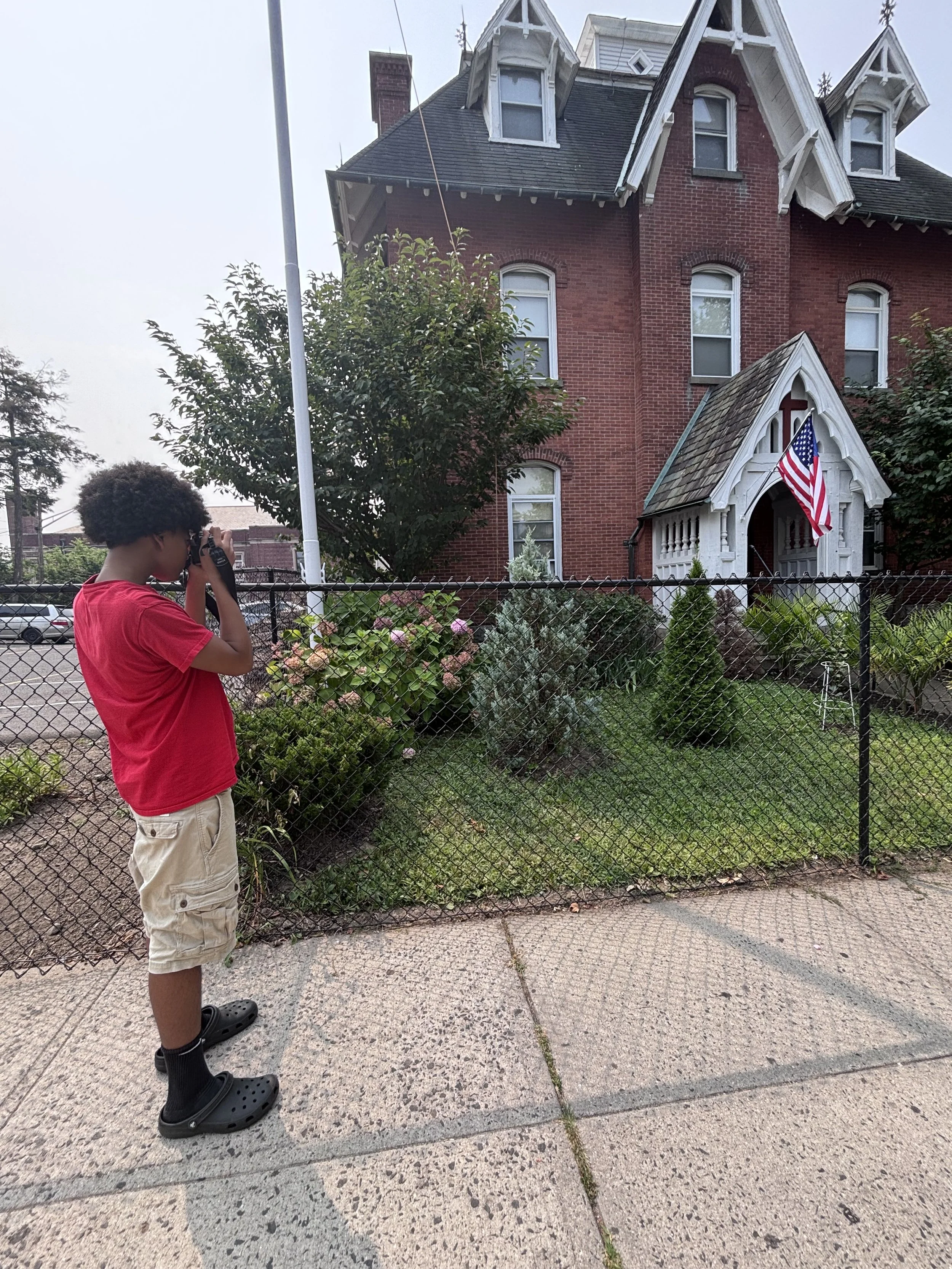
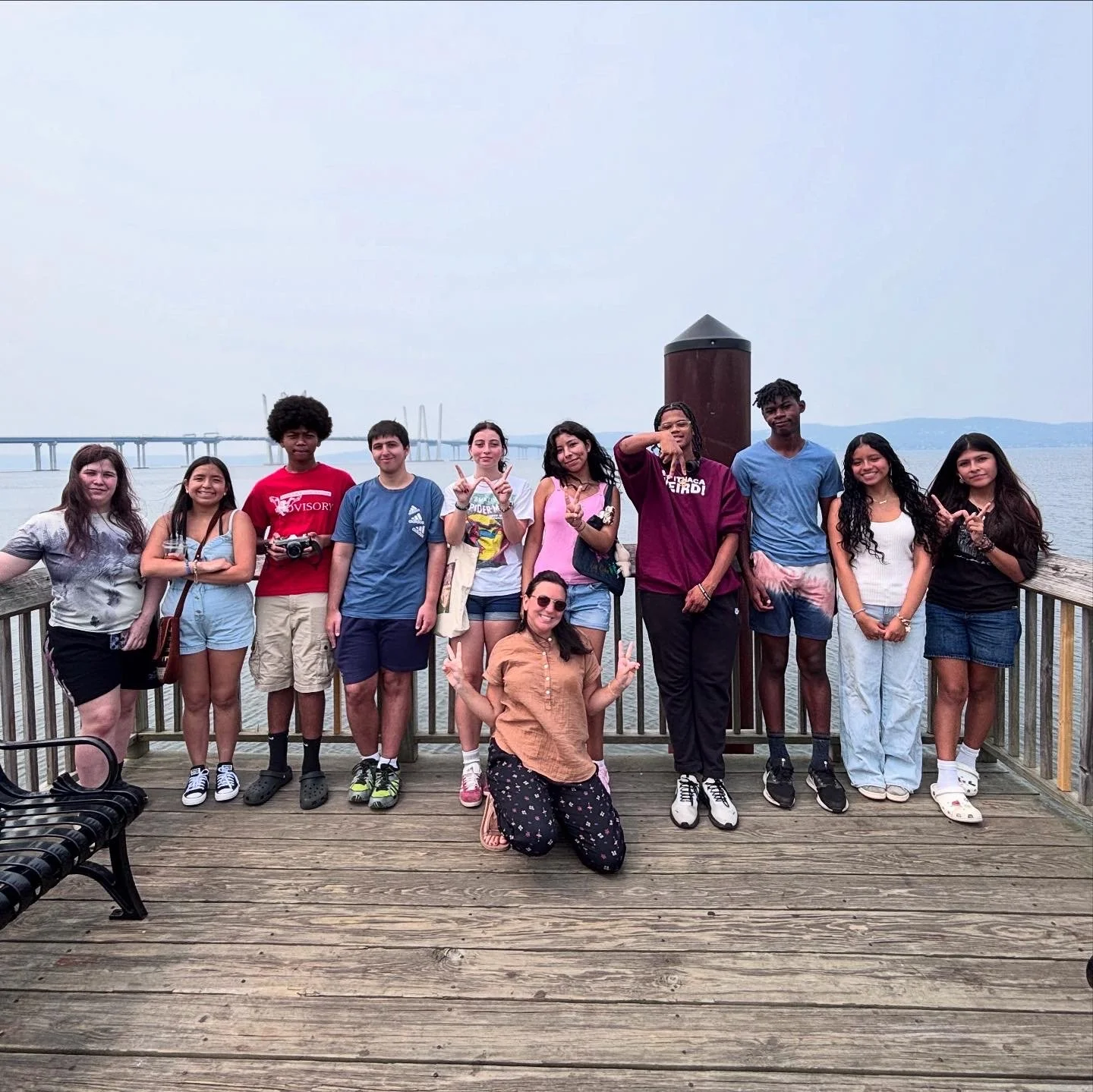
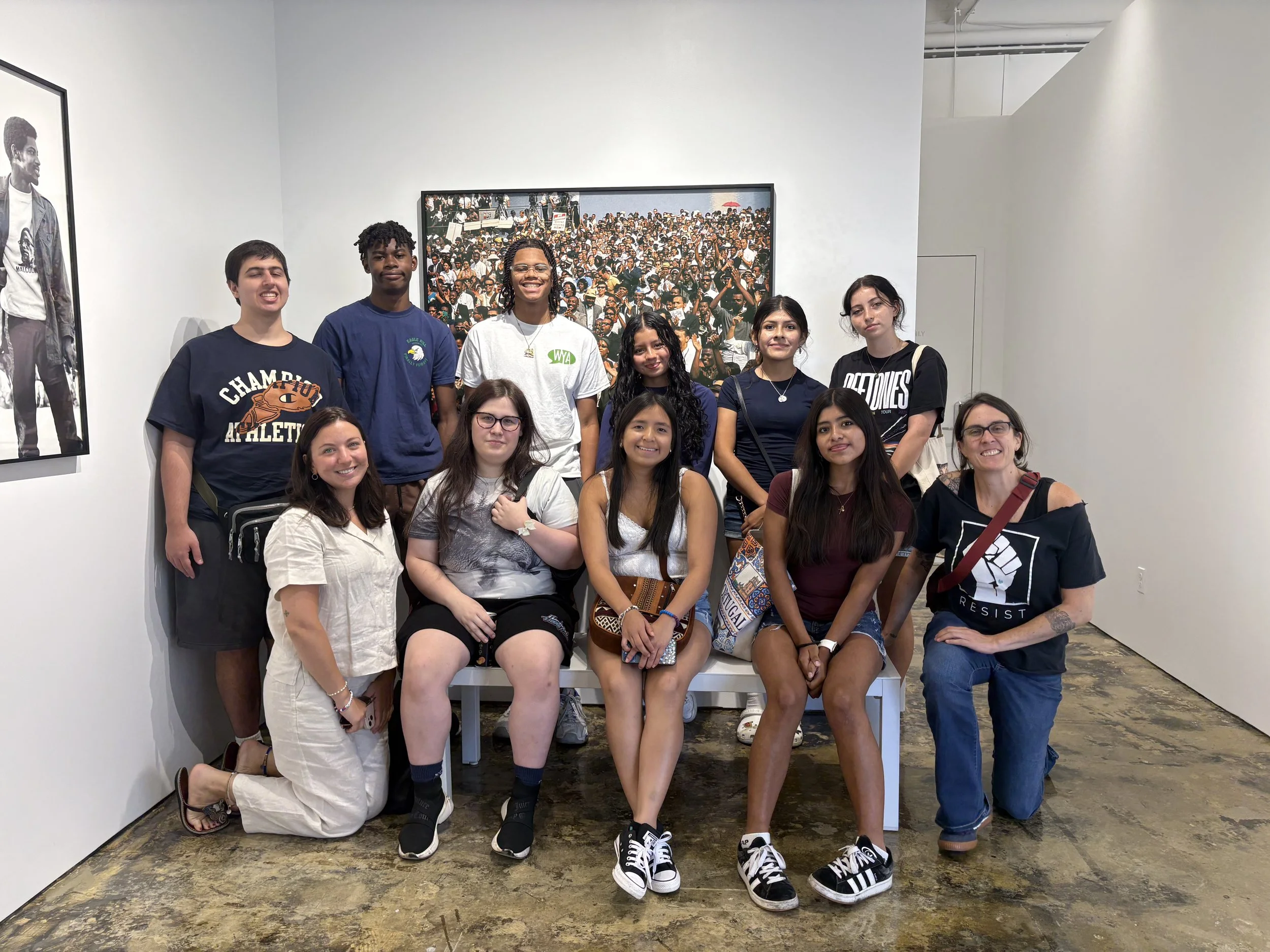
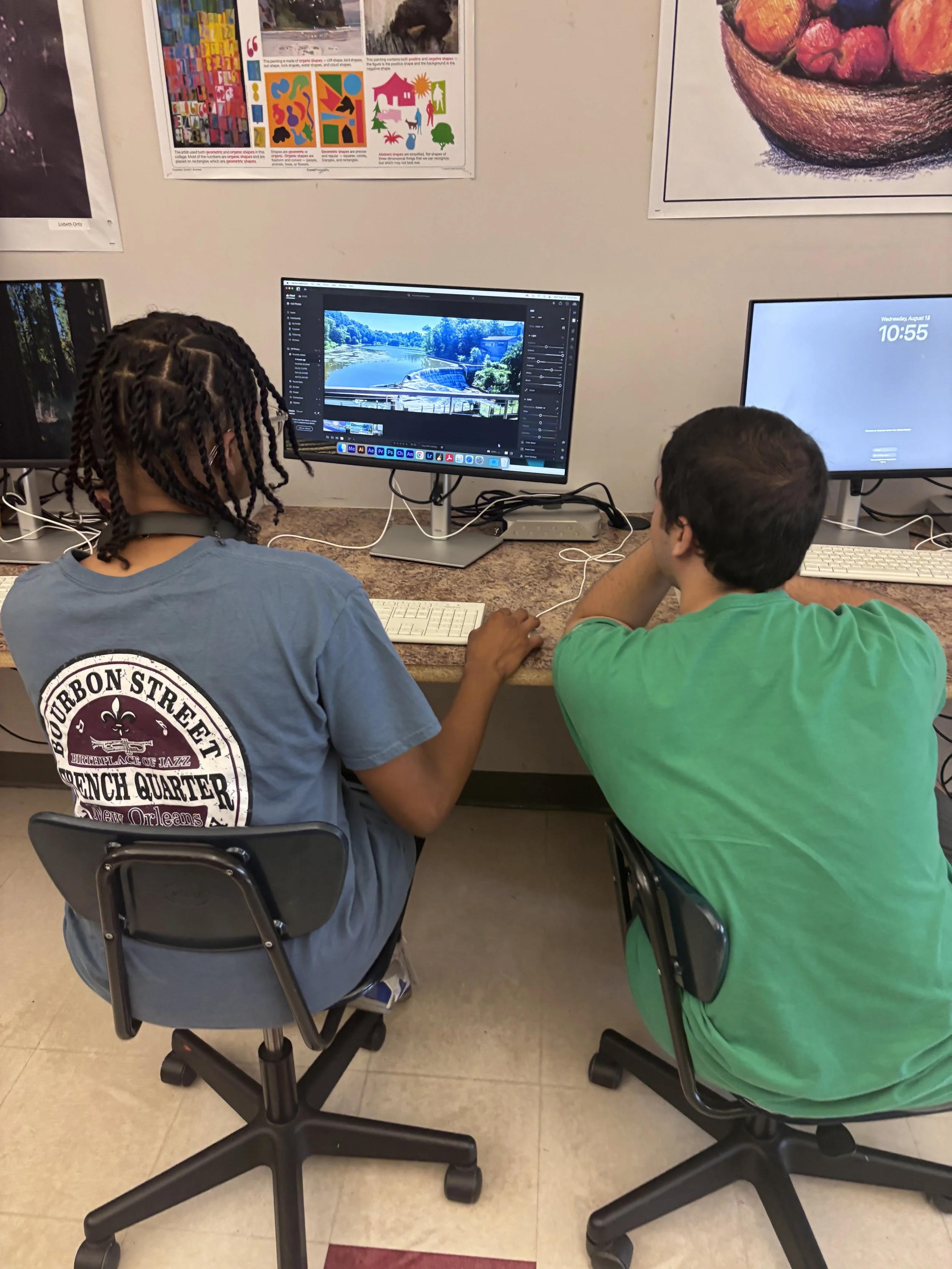
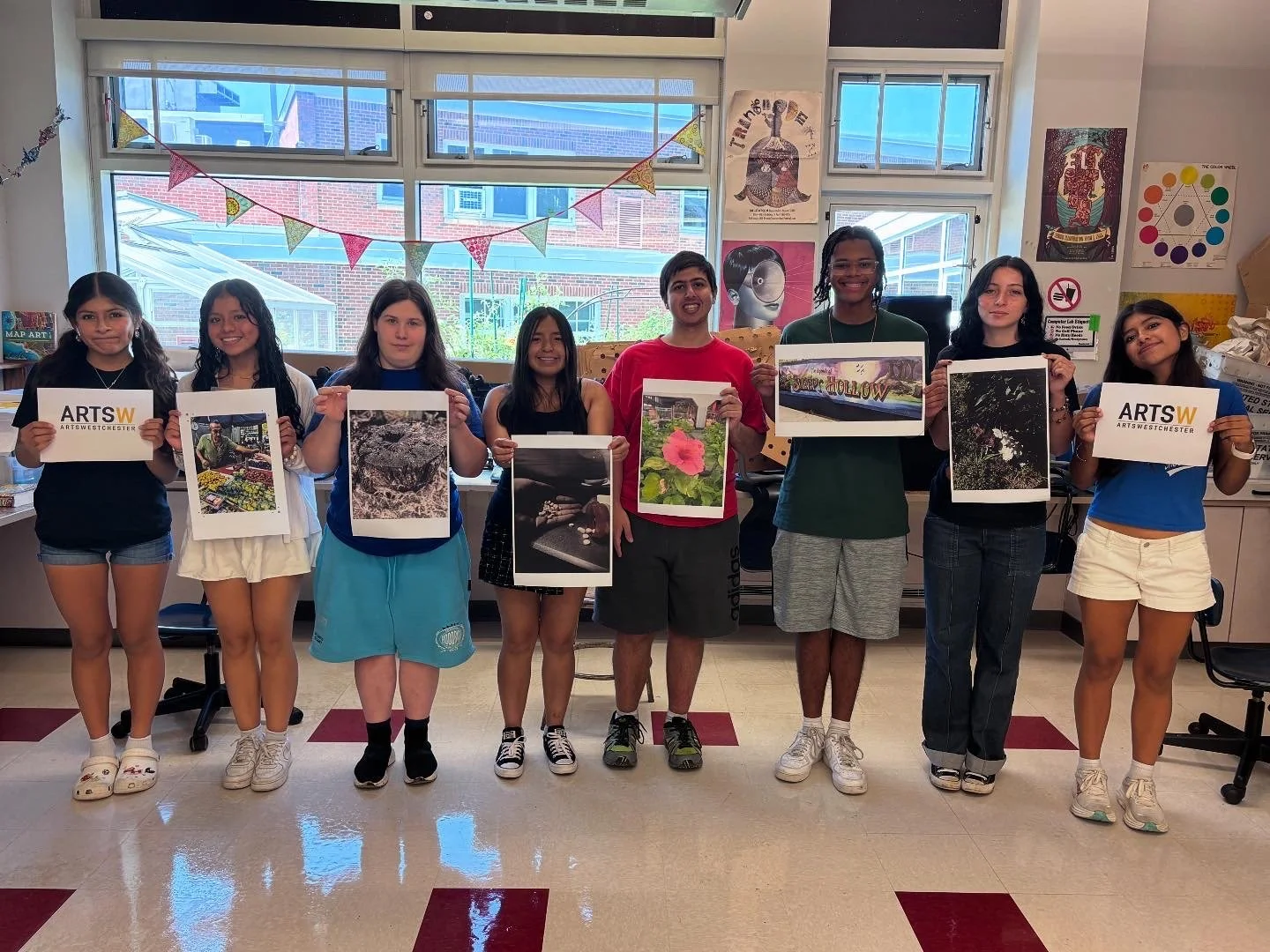
Over two transformative weeks, our art activists discovered how to wield the camera as a tool for social change. Participants explored the rich legacy of legendary photographer Gordon Parks and traced photography's evolution from its earliest days to the digital age, learning how this powerful medium has shaped our understanding of the world. Theory became practice as participants channeled their newfound knowledge into meaningful projects addressing mental health awareness, the vital contributions of immigrants, and the urgent need for environmental protection. Through their lenses, they're not just capturing images—they're capturing hope for a better future. Many thanks to our partners at Sleepy Hollow High School, the Gordon Parks Foundation, and our funder, Arts Westchester!
2025
Diligent Dreamers of America
By Adanhyr Morocho
Have you ever paused to think about who grows the food on your table, stitches the clothes you wear, or builds the homes and cities we live in? Behind these everyday essentials are immigrants, the quiet force that keeps America thriving through their dedication and hard work. Between 2019 and 2024, immigrant workers were responsible for 88% of the nation’s labor force growth, a testament to their essential role in our country’s progress.
This summer, I dedicated my time to traveling and creating this photo project to bring light to the lives and challenges of immigrants today and to celebrate their strength, dedication, and humanity. Each photograph was taken with deep love, care, and respect. I spoke with the people I captured, listened to their stories, and found inspiration in their resilience and love for what they do.
What I discovered is simple yet profound: immigrants work not only to build a life for themselves, but to uplift the lives of others. Their hands build the foundation of our communities, and their spirit fuels the heart of this nation, helping America remain strong, steady, and ever advancing.
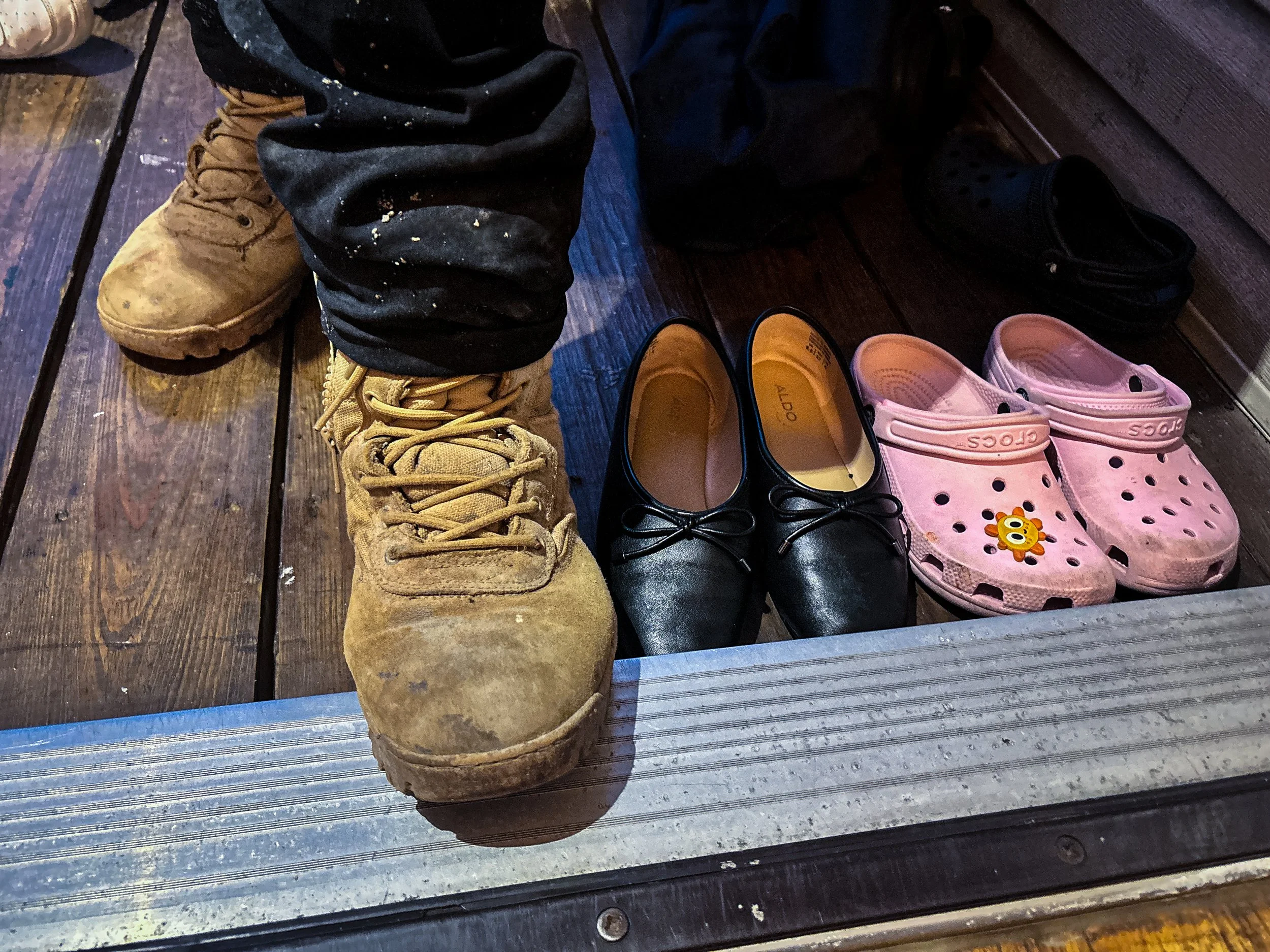
Photo 1
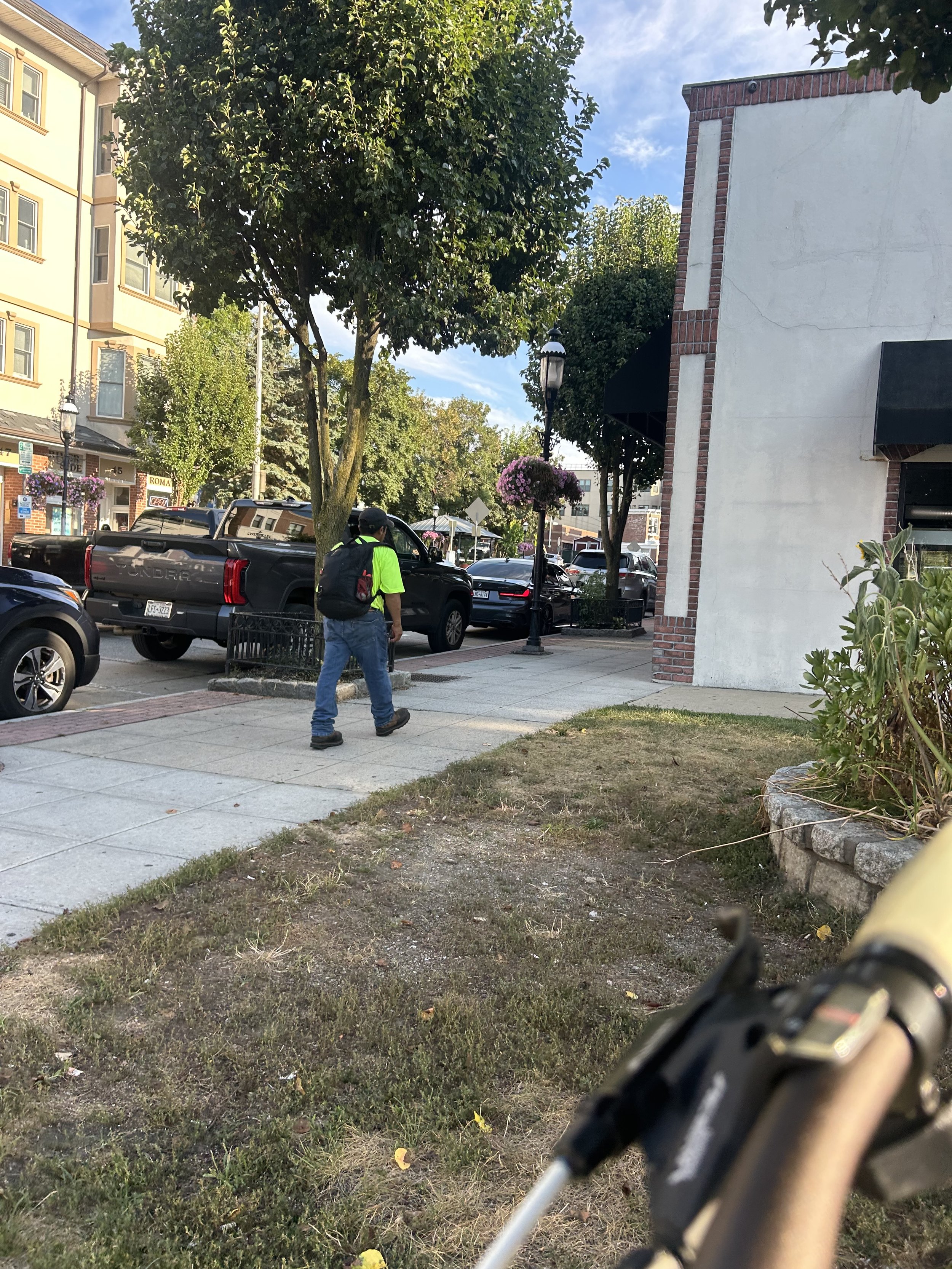
Raul Arias is captured here just as he arrives home after a long day, still wearing his work boots. He leaves this apartment every morning at 4 a.m. and returns around 5 p.m., a routine he’s followed for decades.
Originally from Ecuador, Raul immigrated to the United States in 2002 at the age of 18, determined to finish his studies and build a better life through hard work. For over 23 years, he has worked in construction—building homes, roads, and making structures safe for families to live in.
“I love working, and I will continue doing it for the people who need my hands.”
“Amo mi trabajo y lo seguiré haciendo por las personas que lo necesitan.”
Raul represents the many invisible workers whose labor quietly shapes the lives of others. Through his hands, countless families have found safety and shelter.
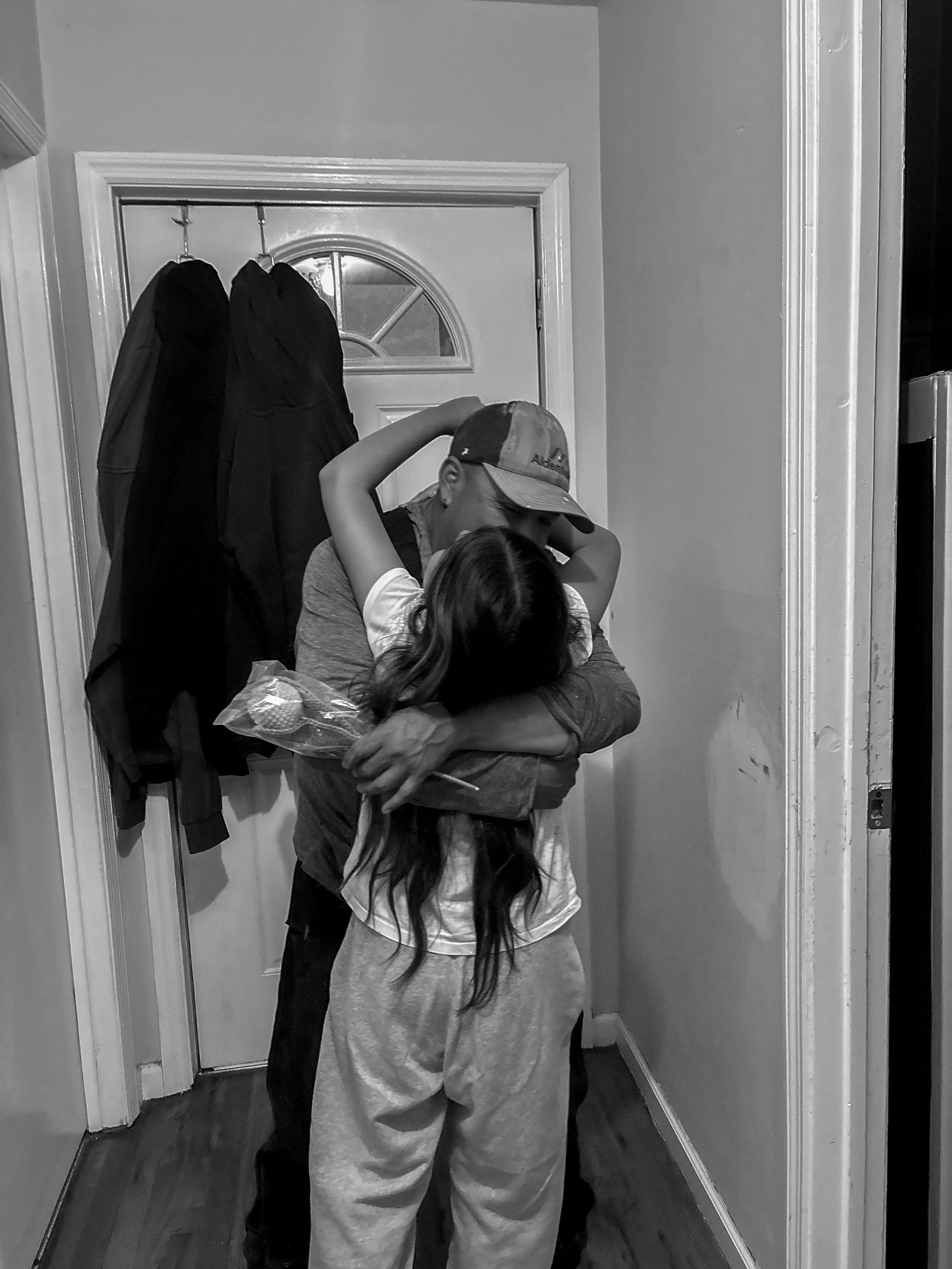
Photo 2
This photo captures Raul Arias hugging his youngest daughter after returning home late from work. For my sisters and me, there's always a special joy when we hear his heavy footsteps on the stairs and the sound of the door opening — it means he's finally home.
Some days are harder than others, but Raul never complains. Even when he's sick or exhausted, he pushes through without taking breaks. His strength comes from love, not rest.
“My family is the most important thing to me. I will do anything to protect them and make sure they have everything they want and need — until my last breath.”
“Mi familia es lo más importante para mí. Haría todo para protegerla y me aseguraré de que tengan todo lo que necesiten y quieran hasta que dé mi último aliento.”
Like many immigrant fathers, Raul is a quiet hero — working tirelessly in a new country to give his children the opportunities he never had. His love is not just spoken, but shown through sacrifice, every single day.
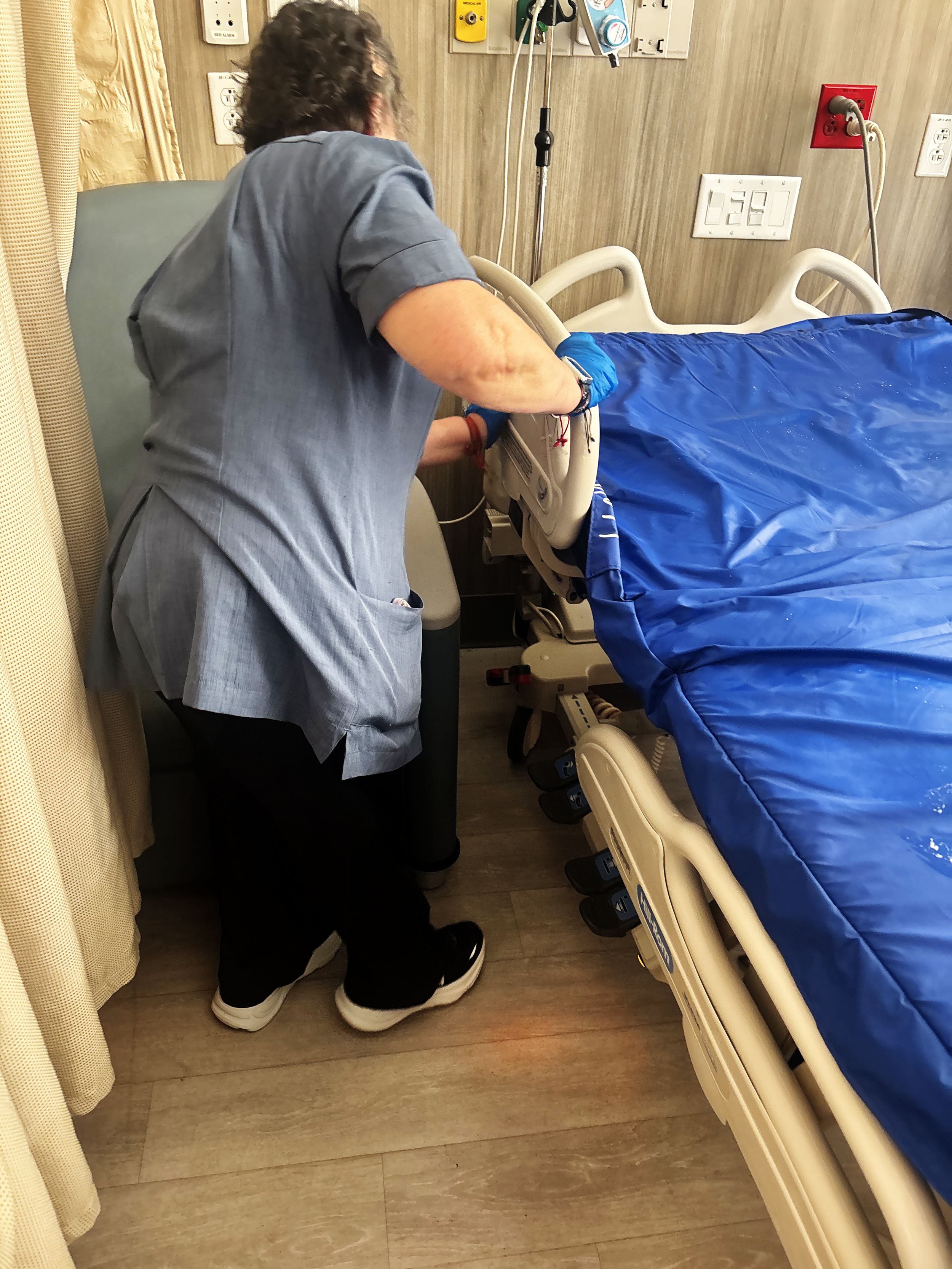
Photo 3
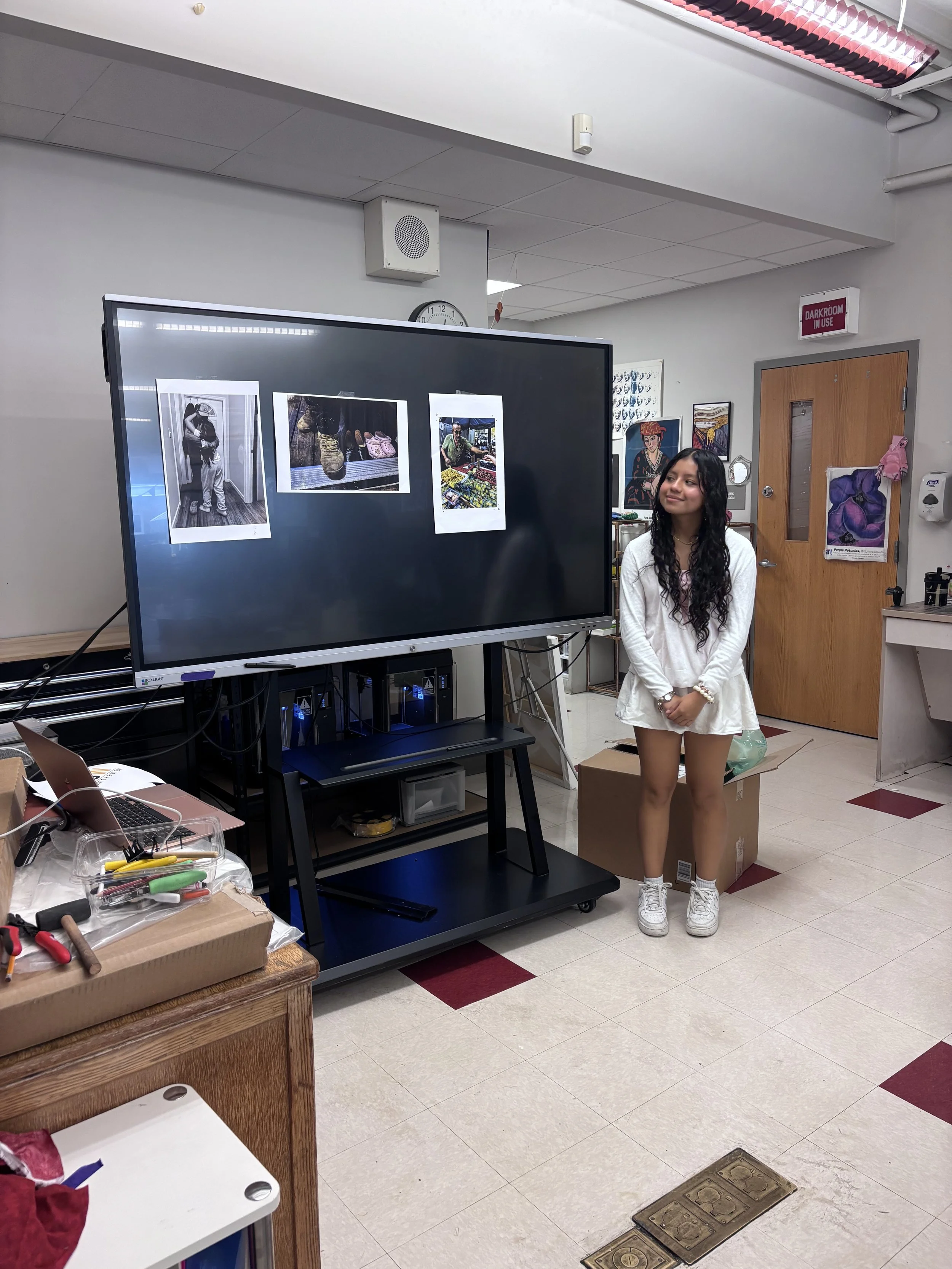
This image captures Maria Montaya cleaning a hospital room- part of her daily routine in a job she approaches with unwavering dedication. Originally from Colombia, Maria came to the United States 22 years ago in search of a better future. Over the years, she has worked in various roles, from caring for children to supporting elderly individuals. For the past three years, she has been a valued member of the hospital staff.
Maria is known for her strong work ethic and the pride she takes in everything she does. When I asked her how she manages to work so hard without growing tired, she smiled and simply said: “Yo hago todo con amor y dedicacion- I do everything with love and dedication”
Now married and raising three wonderful children, Maria does everything she can to give them the life they deserve. Like so many immigrant mothers across the United States, she is a powerful example of strength, resilience, and quiet heroism- working behind the scenes to keep communities safe and cared for.
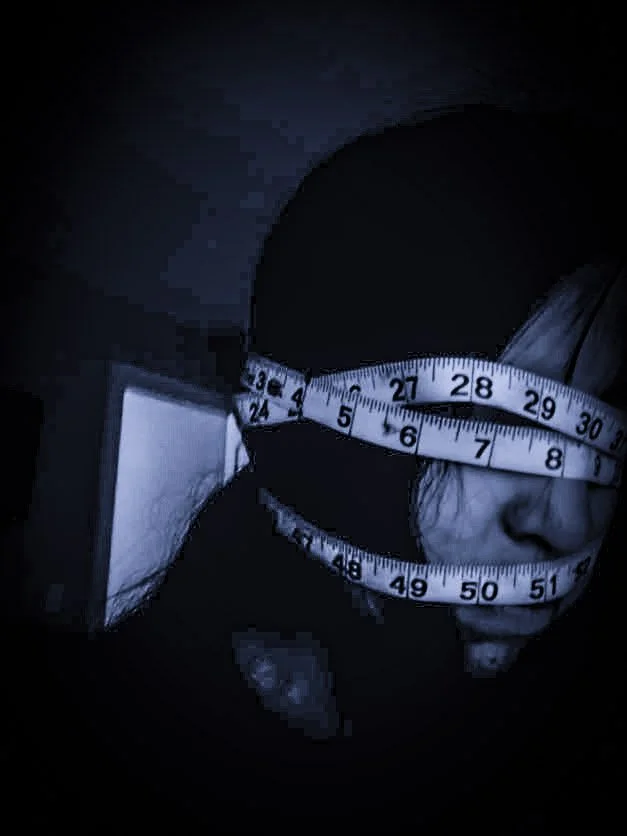
Photo 1
This photo shows a girl who was a tape measure wrapped around her head and covering her mouth. I took this photo to show the negative impact of eating disorders. Some people constantly weigh and measure themselves because they are ashamed of their own body and fear that they will gain weight. They focus too much on their looks to the point that all the bad thoughts and habits start to devour them.
Photo 2
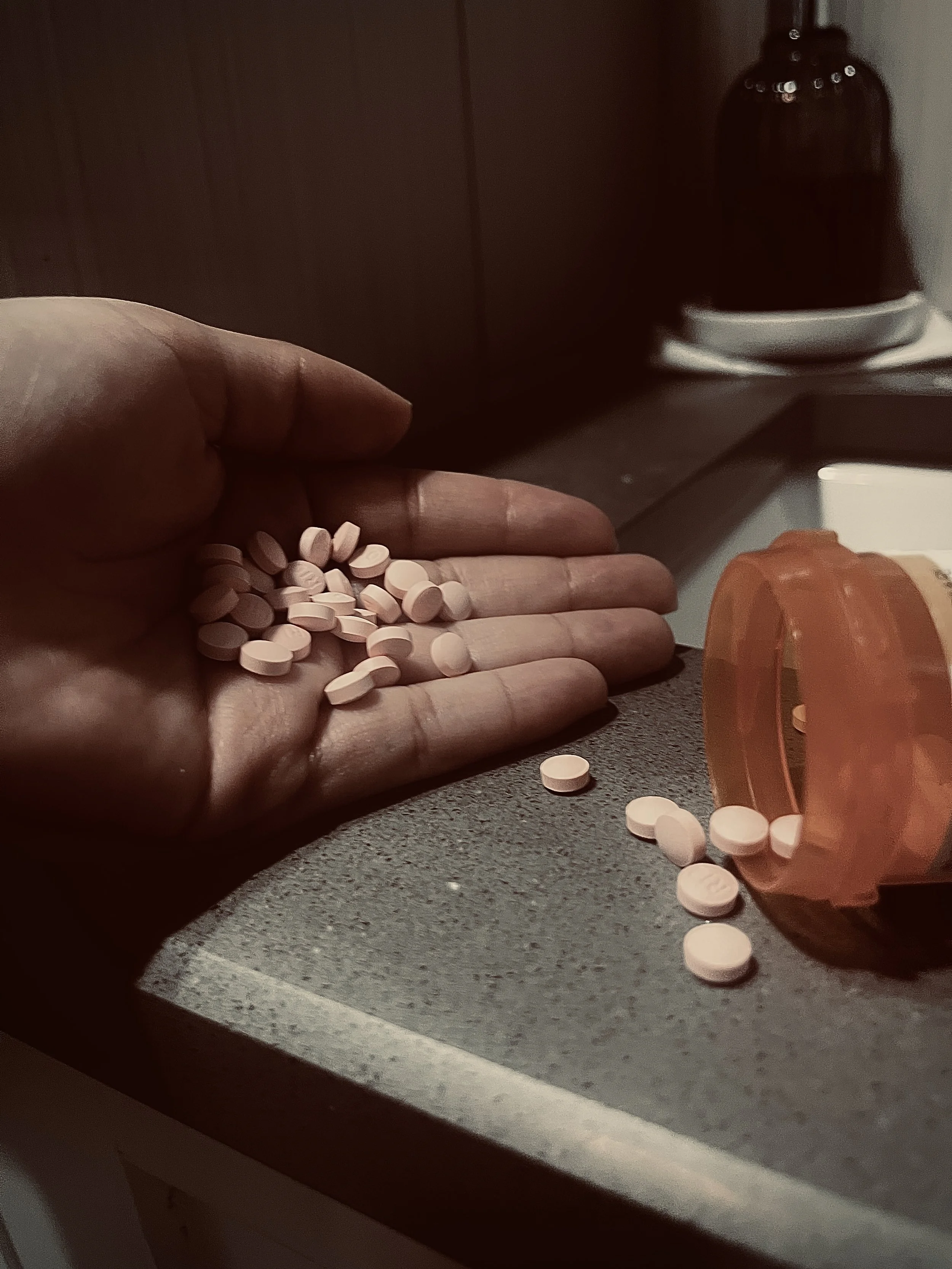
The second photo shows a hand holding lots of pills and a half-empty pill bottle. I took this photo to present a negative way to cope with emotions. Some individuals will use drugs to feel better. However, this good feeling only lasts for a little while before it can make you feel much worse. This can also impact your mood, sleep, and appetite.
Photo 3
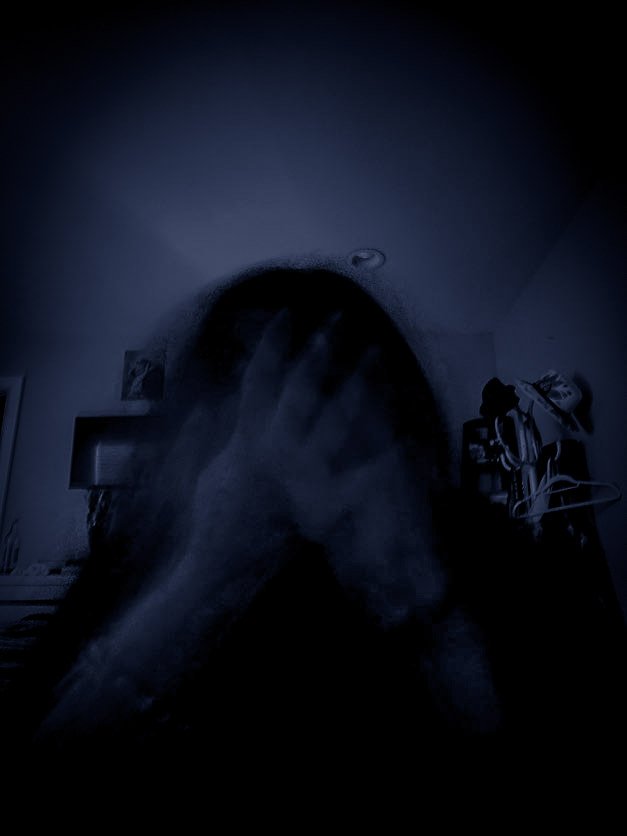
This photo shows a girl very worried and shaking. I took this photo because I wanted to show how hard anxiety really is. Living with anxiety is like having someone who increases worries and fears. Without treatment, this can also contribute to depression, substance abuse, and cardiac issues.
Photo 1
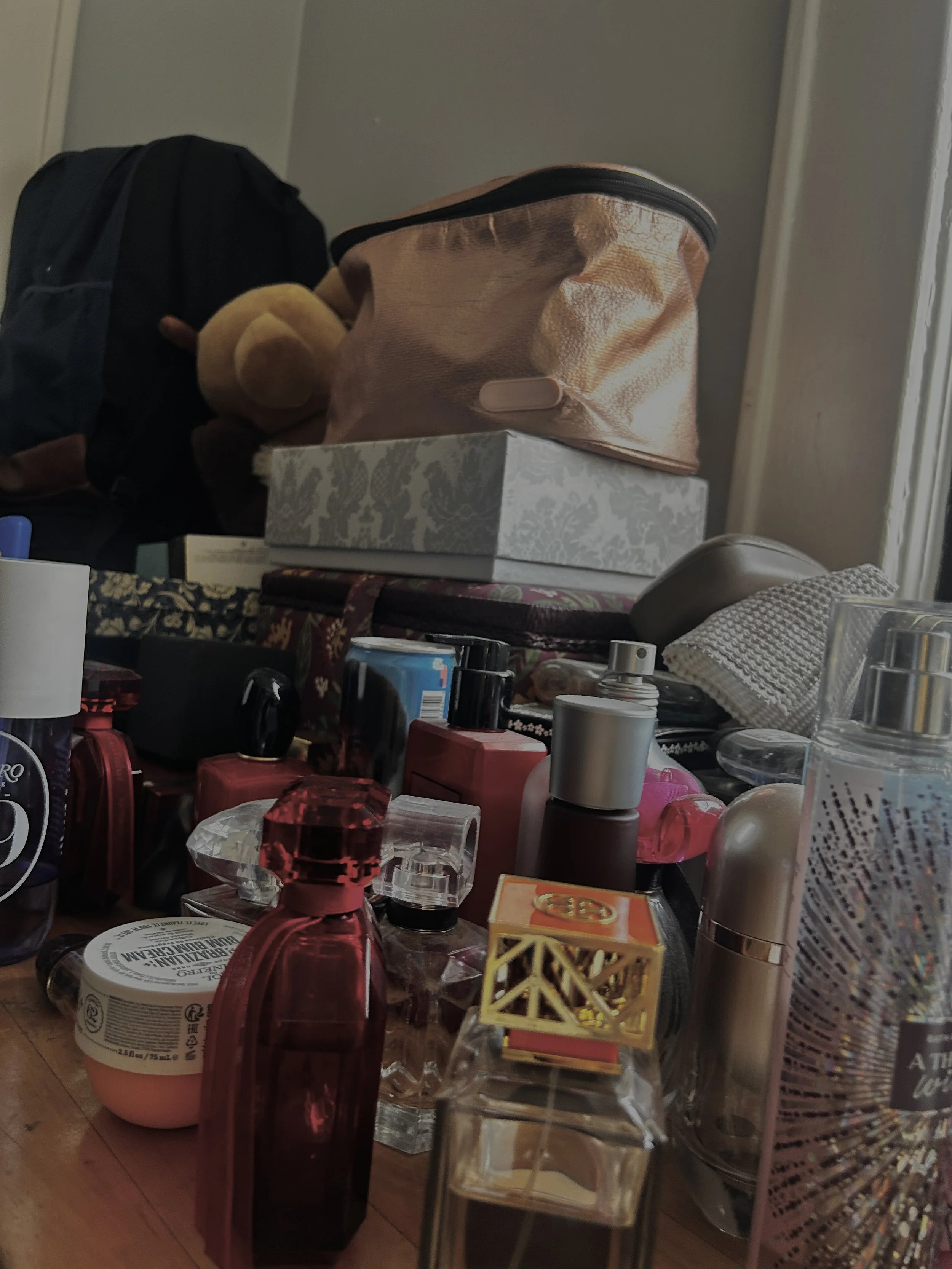
This photo represents emptiness. These were my mother’s things, and when I see them, I think of her again. It is crazy how, when you start thinking about it, grief comes back because it never leaves.
Photo 2
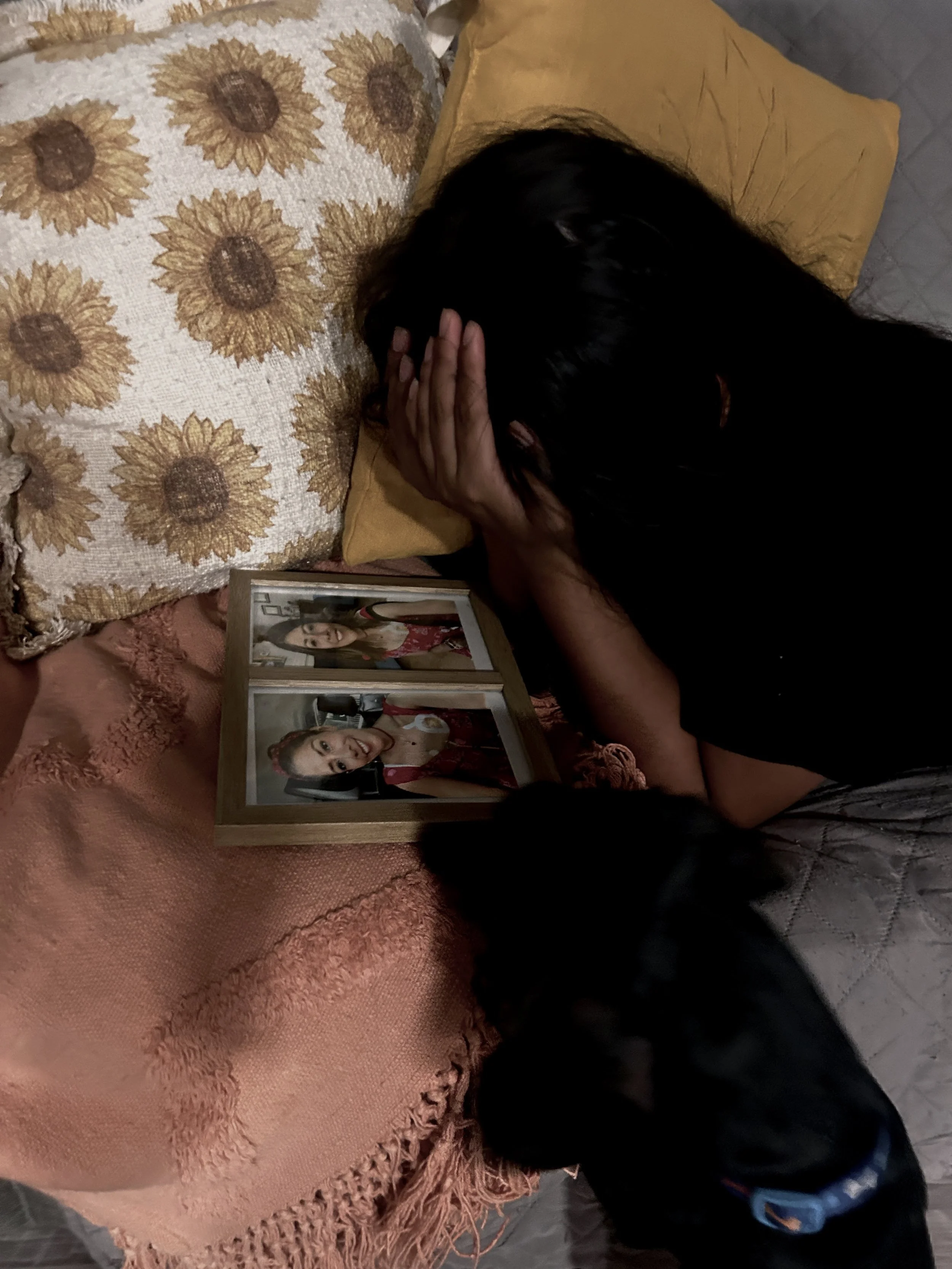
This photo shows my sister looking through my mom’s photos. It brought a feeling of sadness since she is not with us anymore. Thinking about her brings deep emotions and comfort to my sister. You see, my dog senses something wrong because he knows when someone is sad.
Photo 3
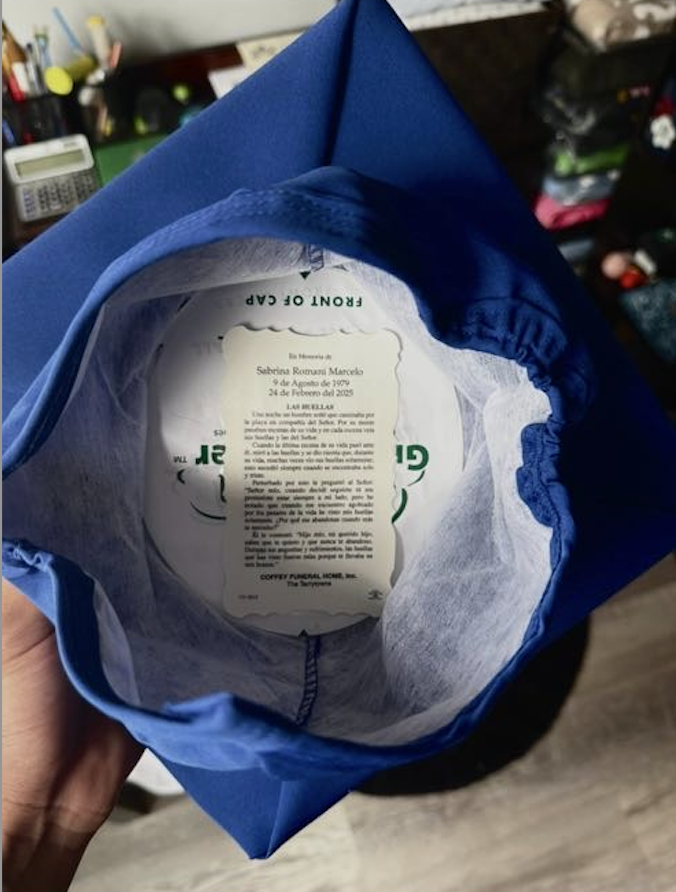
The day of my brother’s graduation, it was very difficult for him since my mother couldn’t see across the stage. The day of the graduation brought mixed feelings of happiness and sadness.
Photo 1
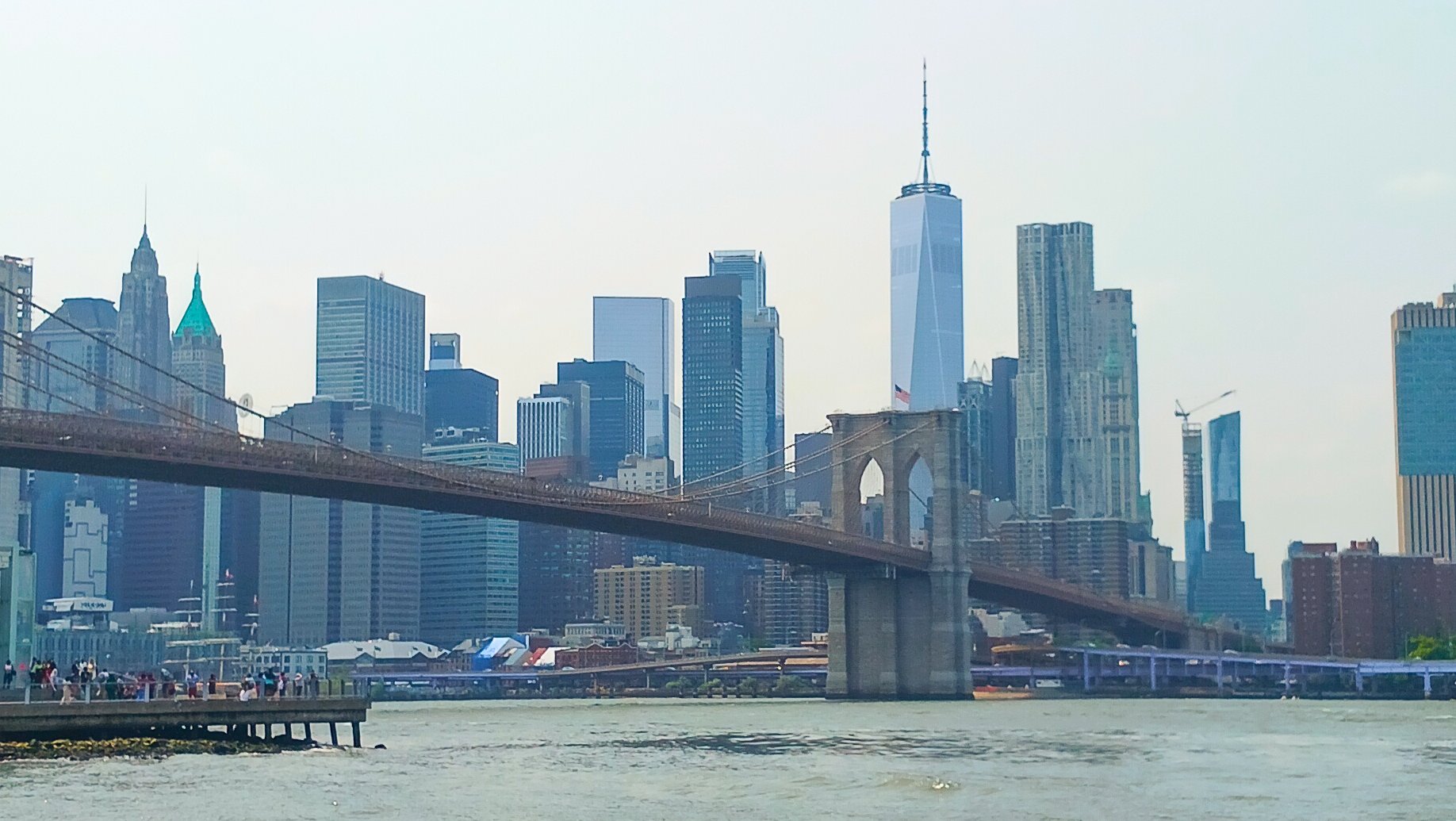
This photo shows the Manhattan Skyline from the Brooklyn waterfront. In Manhattan, space is used like a precious resource. The buildings rise close together. The shops, cafés, offices, and residential buildings control everything. The borough of Manhattan's story is of constant adaptation and change. From the Dutch landing in 1614 to the completion of the Freedom Tower in 2014, Manhattan and the rest of New York City have a diverse and changing story.
Photo 2
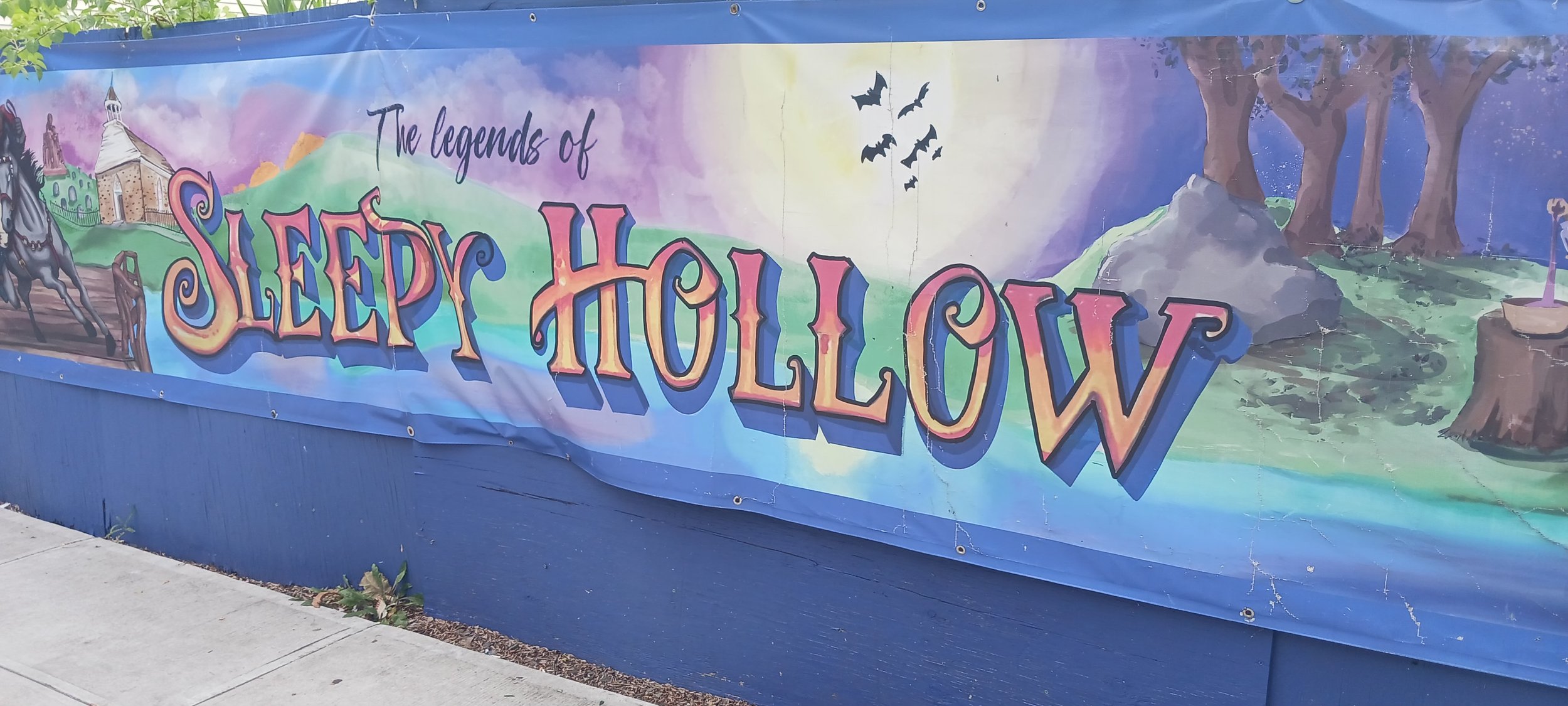
Sleepy Hollow is a small suburban community near the Hudson River. Originally settled by Dutch colonizers in the 17th century, the small river town was known as “North Tarrytown.” However, in 1820, this town gained fame for “The Legend of Sleepy Hollow,” which is a short story of a superstitious teacher having an encounter with a headless horseman. This story gave birth to the Halloween-themed culture this town has gained. The riverfront, folklore, and various Hispanic and Dutch cultures are what make Sleepy Hollow what it is today.
Photo 3
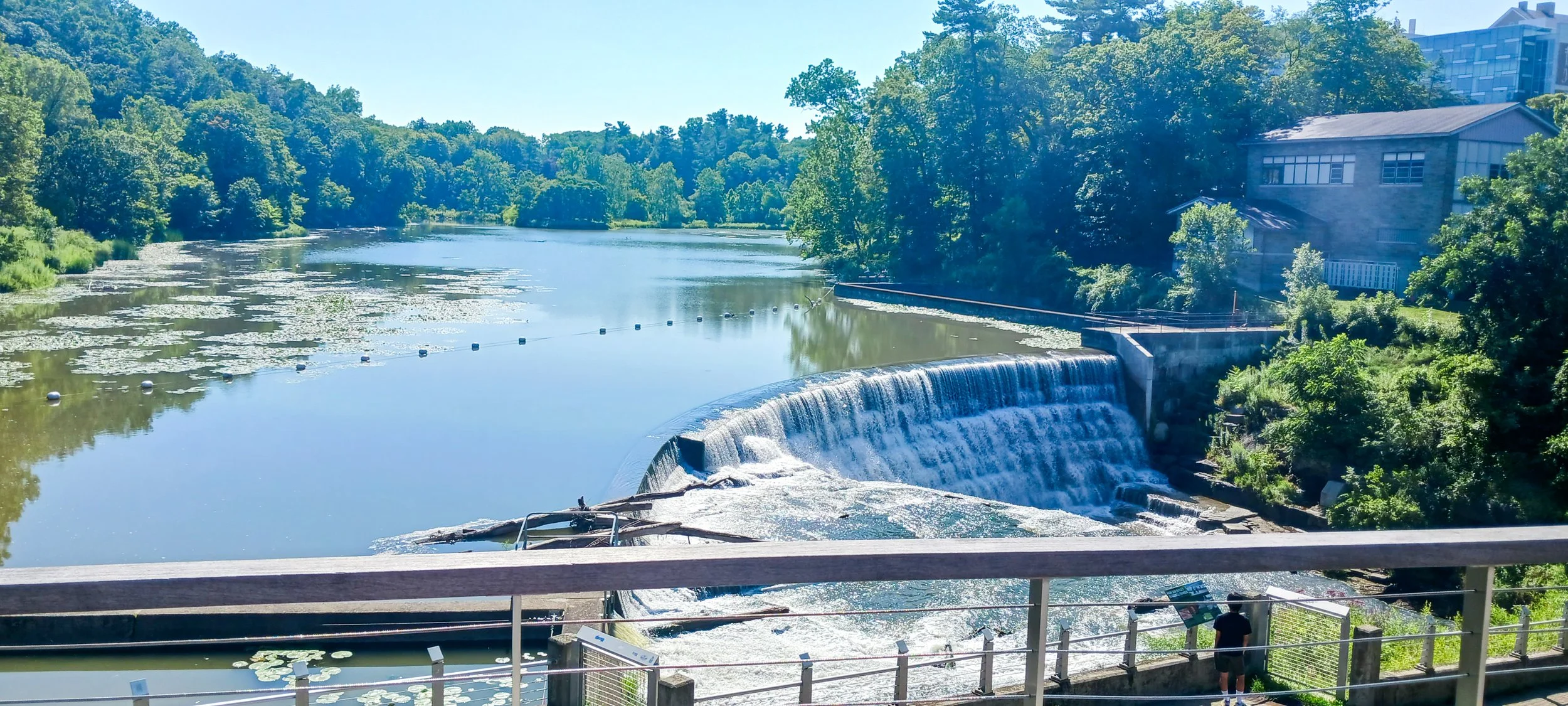
This photo is of Lake Cayuga. This lake is one of the five Finger Lakes in upstate New York. This lake is near Ithaca, New York. Originally settled by the Indigenous Cayuga people, the lake is one of many natural wonders in New York. The Cayuga Lake empties into Ithaca Falls, which gives water and a renewable source of energy to Ithaca and its residents. The Cayuga Lake is also a major tourist attraction for kayaking and for students who want to attend the prestigious Ivy League,, Cornell University.
Mental Health Awareness
By Kayla Arpi
Are you sure your mental health is perfect? 970 million people globally live with a mental disorder. Mental health is our emotional, psychological, and social well-being.
● There have been 46.5 million adults with a substance abuse disorder in the past year
● Excessive use of social media can lead to anxiety, depression, sleep disruption, and many other issues
Issues with your mental health can affect your relationships, career, education, and future goals. I will be focusing on spreading awareness of mental health. I will be covering addiction, the impact of social media, the power of Journaling, eating disorders, and anxiety.
Grief
By Bianca Cardoso
Everyone at some point in their life will lose someone, a pet, a family member, and even a friend. It will be hard and very painful. But what happens to us? Everyone grieves after losing a loved one. Grief is a huge response to loss; it comes with a range of feelings, thoughts, and behaviors. It is nothing weird; it is a natural way of saying goodbye and healing. But it is not just about death; it can be the end of a relationship or the loss of a job. This process is very individual, with no set timeline or directions to follow. Understanding grief means recognizing it's complicated and shows up in many different ways for different people. When it comes to this topic, photography can be so significant since it has the ability to capture moments. Grief is complicated and personal, so it shows in different ways like facial expressions, how someone moves, and behavior. Capturing the moment allows for a deeper example of our emotions. Many times words can't show how someone truly feels, but photos can give us a connection to what someone goes through. Most times photography shows environmental issues, but what about emotions? It is very important to take into account that everyone feels and feels different from others. My personal story dealing with grief. I bet you, by looking at me, you must assume that I'm a very happy young woman, but no, of course not. My life has changed a lot throughout the past 2 years of my life. In early 2023, my mother was diagnosed with cancer; I did everything in my power to help her. But early this year she passed away. It was the worst moment I have ever experienced, but along with her death, I started feeling many new feelings. Grief, grieving my mom’s death, changed my mentality, my behavior, and my goals. It is a never-ending process in my opinion, but time does heal; time is slowly healing my heart. As a young girl, when my cycle is coming, grief hits me with the worst waves ever. But I am not the only one who has lost someone, our friend Kylie. She lost her partner at a very unexpected time; I cannot imagine the pain she had to go through. That’s why I think everyone should know that grief is real and it shows up in many ways.
Two Worlds, One State: How Urban and Rural New York Are Built
By Brandon Archer
When people picture New York, the image is often of vertical glass towers that make up Manhattan's skyline catching the sunrise and the rows of brownstones in Brooklyn. But a couple hours north, that same state spreads out horizontally into small towns and villages where buildings have space between them, and history shows up in their sidings and church steeples. This project explores not just how urban and rural New York feel, but how they are built and how the design of a place shapes the life within it.
In New York City boroughs like Brooklyn and Manhattan, space is used like a precious resource. Buildings rise close together, creating the streets that feel like hallways in an enormous home. Apartment blocks, rowhouses, and mixed-use buildings control everything, often with shops, cafés, and art stores tucked beneath quiet residential floors. Sidewalks are wide, intersections frequent, a unique public transit stitches everything together, a design that makes it easy to live without a car. Urban planning here is about efficiency and proximity, but also about layering experience. Murals on walls that hide community gardens, a playground in the shadow of a bridge. The architecture tells a story of constant adaptation. Buildings repurposed, neighborhoods reimagined yet always pulsing with movement and energy.
In Ithaca, rivers and trees blossom in the summer weather. The prominent third Finger Lake, Lake Cayuga, keeps Ithaca with its beautiful natural environment of lakes, rivers, and various species of trees, shaping the culture and growth of the city. Sleepy Hollow, by contrast, leans on preservation of 16th-century homes, Gothic Revival churches, and Hudson River views, which remain protected through strict village zoning. Together, these towns show how rural and suburban planning values heritage, natural landscapes, and a human scale that invites connection without crowding.
For all their differences, both urban, suburban, and rural communities use design to foster connection. In the city, shared walls and public plazas encourage daily contact. In smaller towns, front porches, village greens, and walkable main streets serve the same role. Whether it’s the blocks of Brooklyn, the environment of Ithaca, or the legends of Sleepy Hollow, New York State is a silent partner in shaping a community, how friends form, how stories are told, and how a place feels like home.
Importance of Nature
By Matthew Mosca
In today’s world, more people are focused on social media than going outside to enjoy nature and all of its glory. People should be more observant of their surroundings and be interested when looking outside. There is so much that nature has to offer us. When taking my photos, I took different perspectives to show how people can be more observant in order to enjoy the beauty of their surroundings. Ray Wirth says that, “44% of people between the ages of 18-24+ age groups spend less than 30 minutes a day outdoors.” It’s important to go outside, enjoy the sun, nature, and the beauty that comes from the different seasons. Nature can help us become more grounded. It can be very calming and peaceful, and it can help us heal from within.
I want people to pay more attention to their surroundings. Nature can bring so many wonders to people. Try to forget all the things that can distract you from enjoying the outdoors. A way to help avoid annoying distractions is by sketching what you see in front of you. It doesn’t have to be the best, but you can try it. A child, Mary Richard, said, “sketching small things like bees gathering pollen is one way to pay attention to nature.” Things we see in nature can help improve sociability and help to protect our forests and harmless animals from people who do not care about their surroundings. Nature helps bring people together for a common good.
Even during challenging times, nature is always there to provide peace and tranquility. Sometimes, going for a walk can help clear your mind as we appreciate the beautiful flowers all around us, or perhaps as we listen to the birds chirp in the trees or as we watch the ocean waves come crashing in.
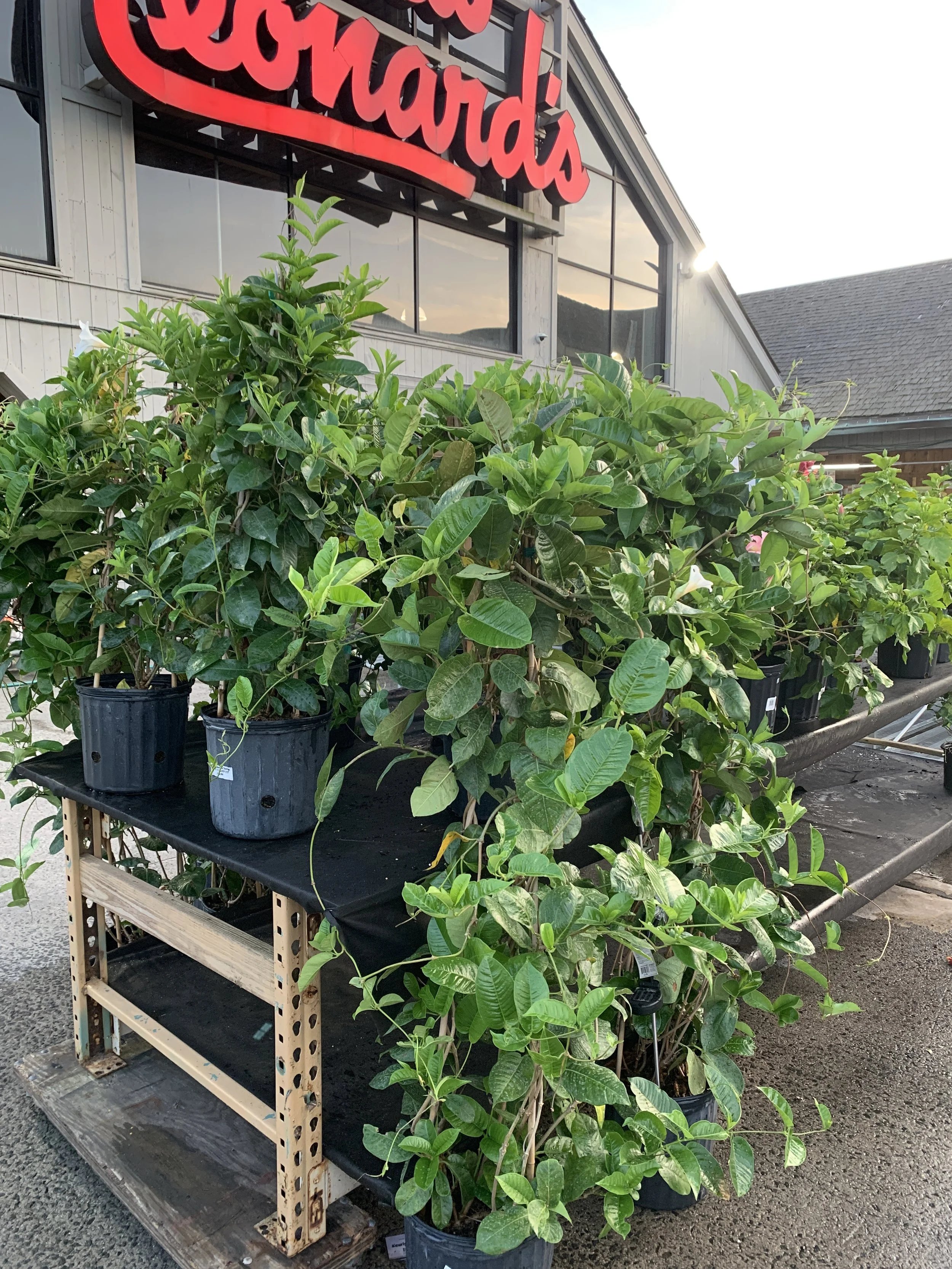
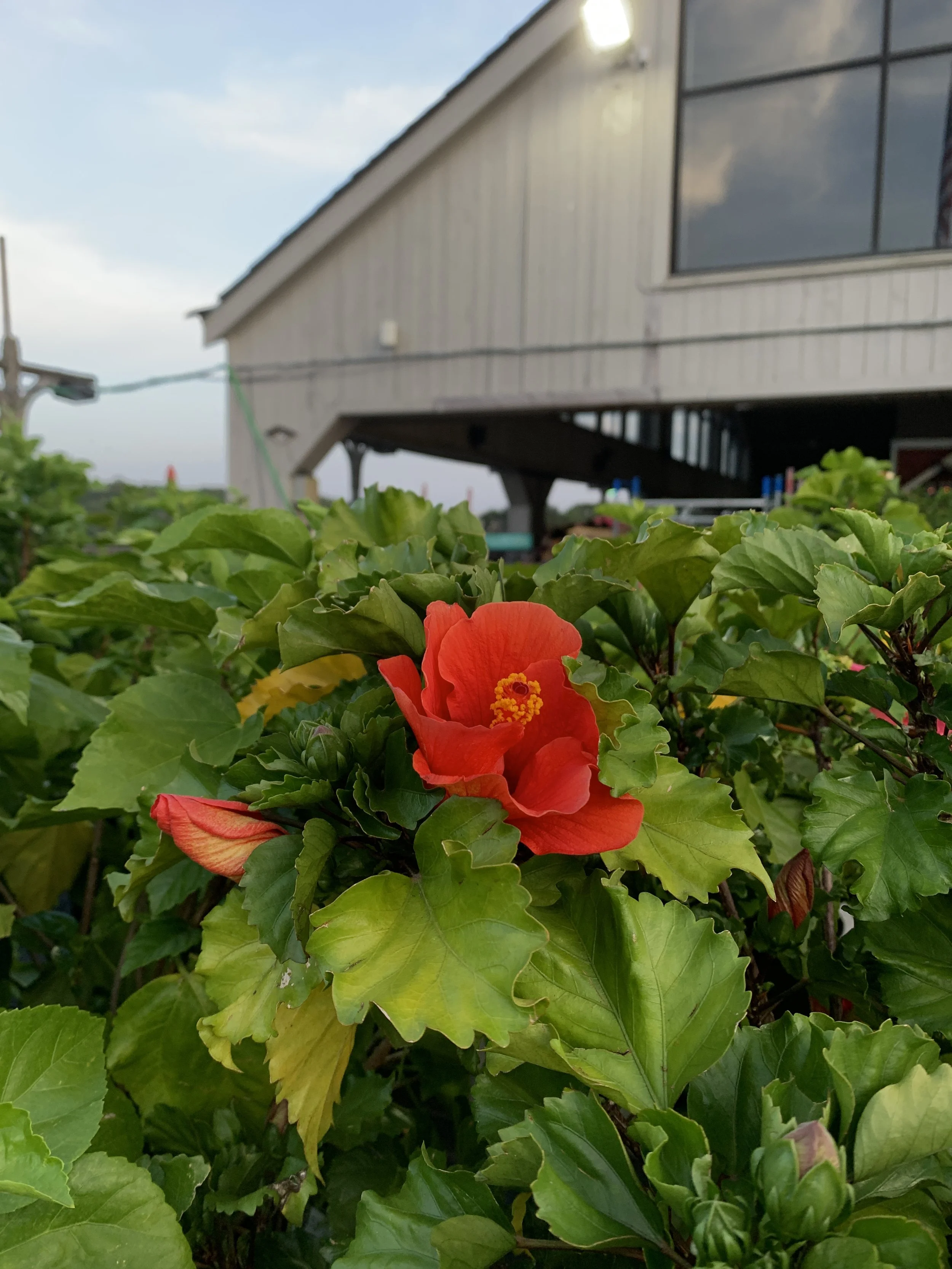
Even though this flower is a mess, it is trying its best to not fall apart.
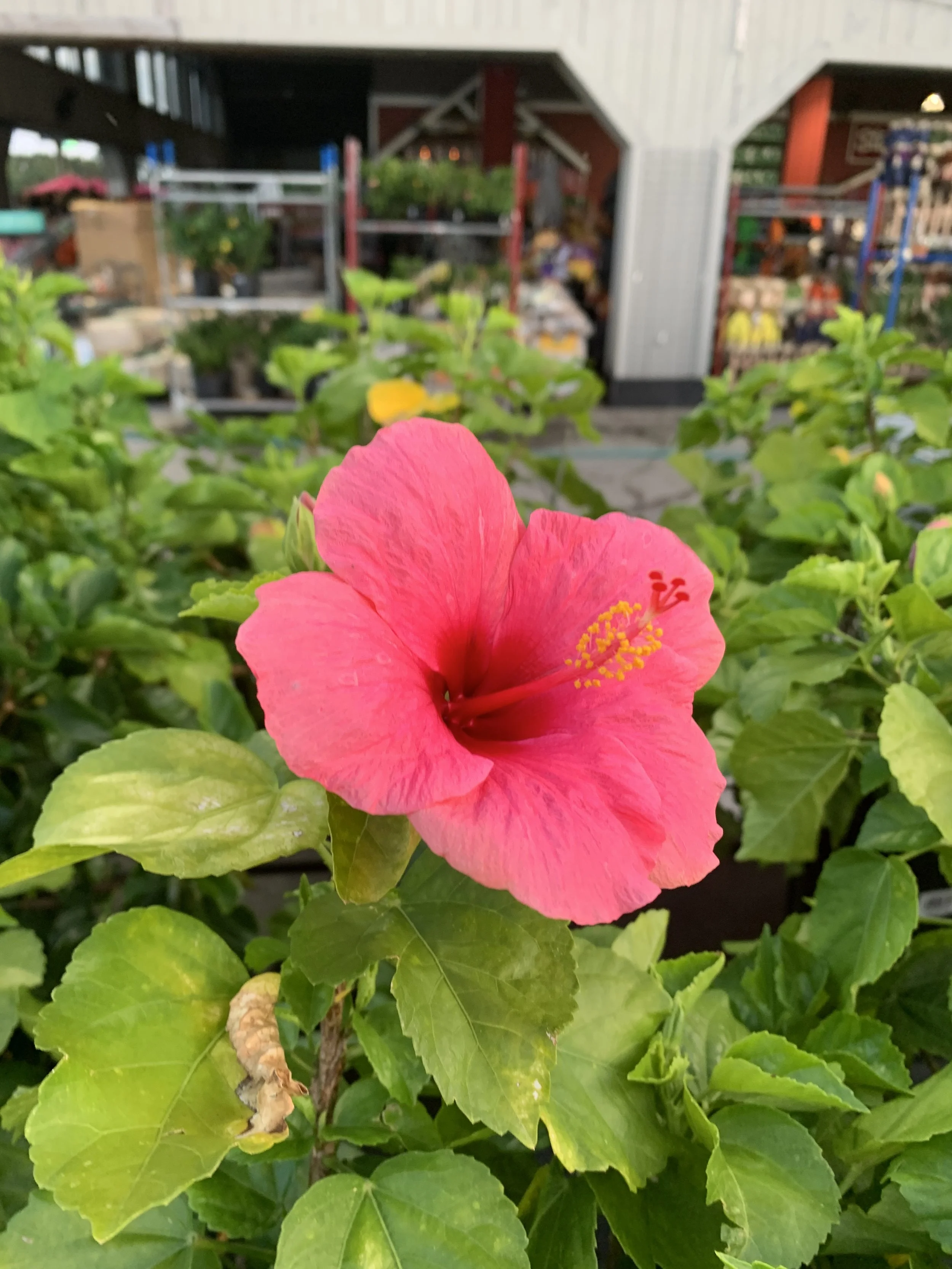
This flower is trying to blend with its natural habitat
This flower stood out to me as its color reminds me of it getting a tan in the sunset
Pollution
By Brandon Hilton
Hello all. I have a very important question. Do you know how bad pollution really is? If not, you're in for a big shock. Did you know that about 80% of the world's waterways are filled with plastic? That's unbelievable, and it should not be! This is extremely important because it is poisoning adults, animals, and kids, and could possibly lead to another pandemic if something contracts a disease when drinking the water.
The aspects that I cover in this project are what pollution is, why pollution is bad, how pollution is bad, and finally the most important thing: what we can do to fix it. A personal observation that I have had is that people don't really care or think much about the results of when they throw a can or something else on the sidewalk.
Photo 1
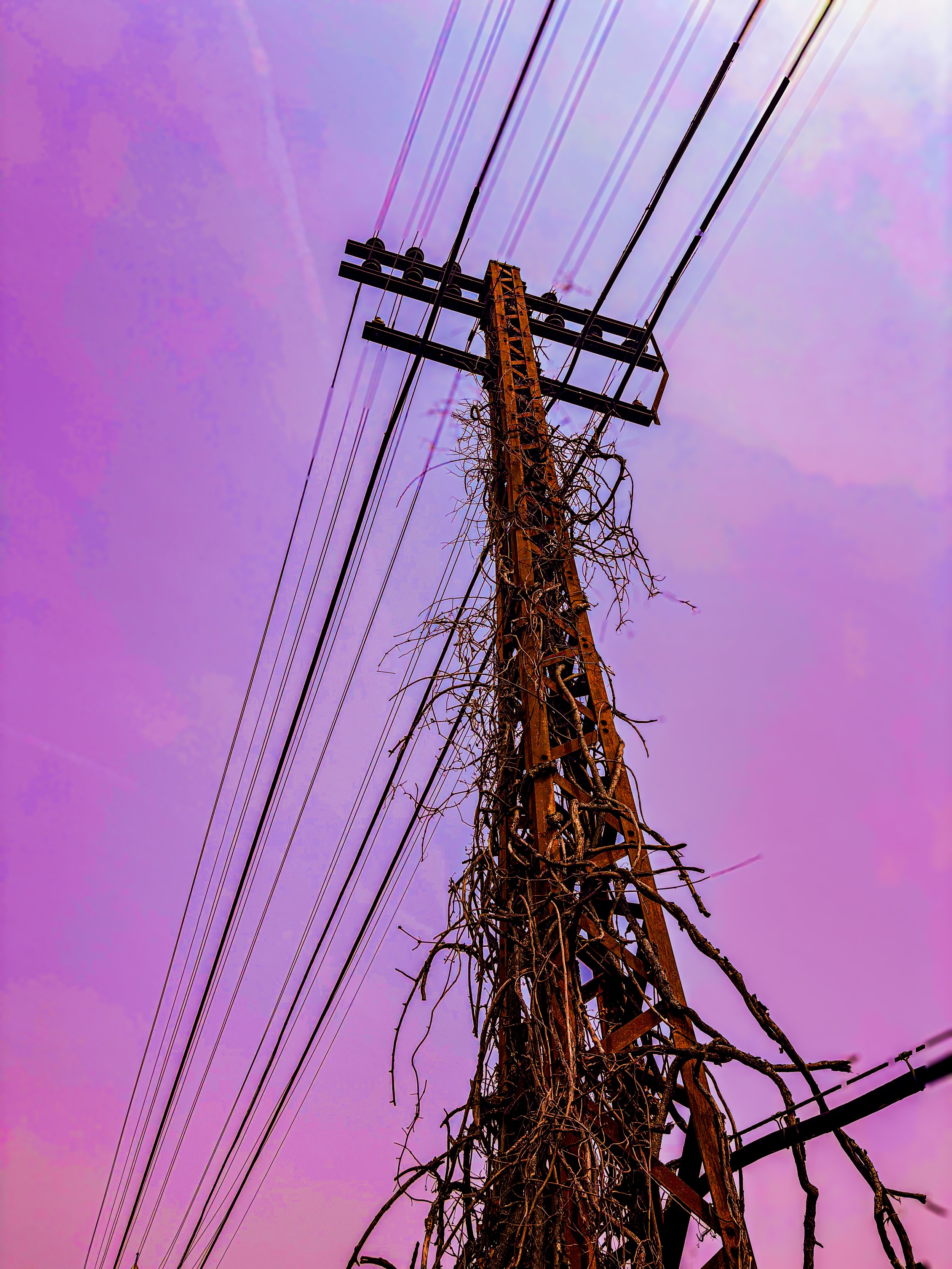
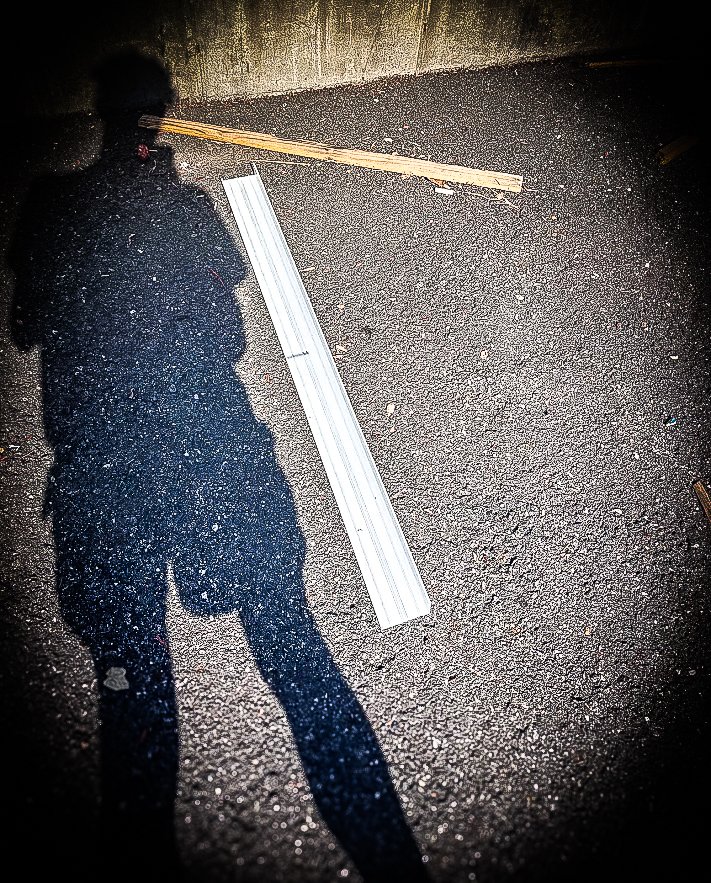
Ok so I have a photo of vines covering a pole, which shows the pollution. This shows poor maintenance, and people do not care. They don't want to make changes. The sanitation team doesn't really care, if we are being honest. So what can you do about this? Ask the sanitation team to make a change.
Photo 2
In photo number 2, you may be wondering to yourself why I took a picture of trash. It shows that communities can improve by putting stuff in trash cans, and the mayor can improve by providing more trash cans. Now you may or may not know this, but all that trash may end up in the ocean! Poisoning our waterways, killing coral, whales getting trapped in nets, fish eating plastic. All of this usually results in the death of our biodiversity.
Photo 3
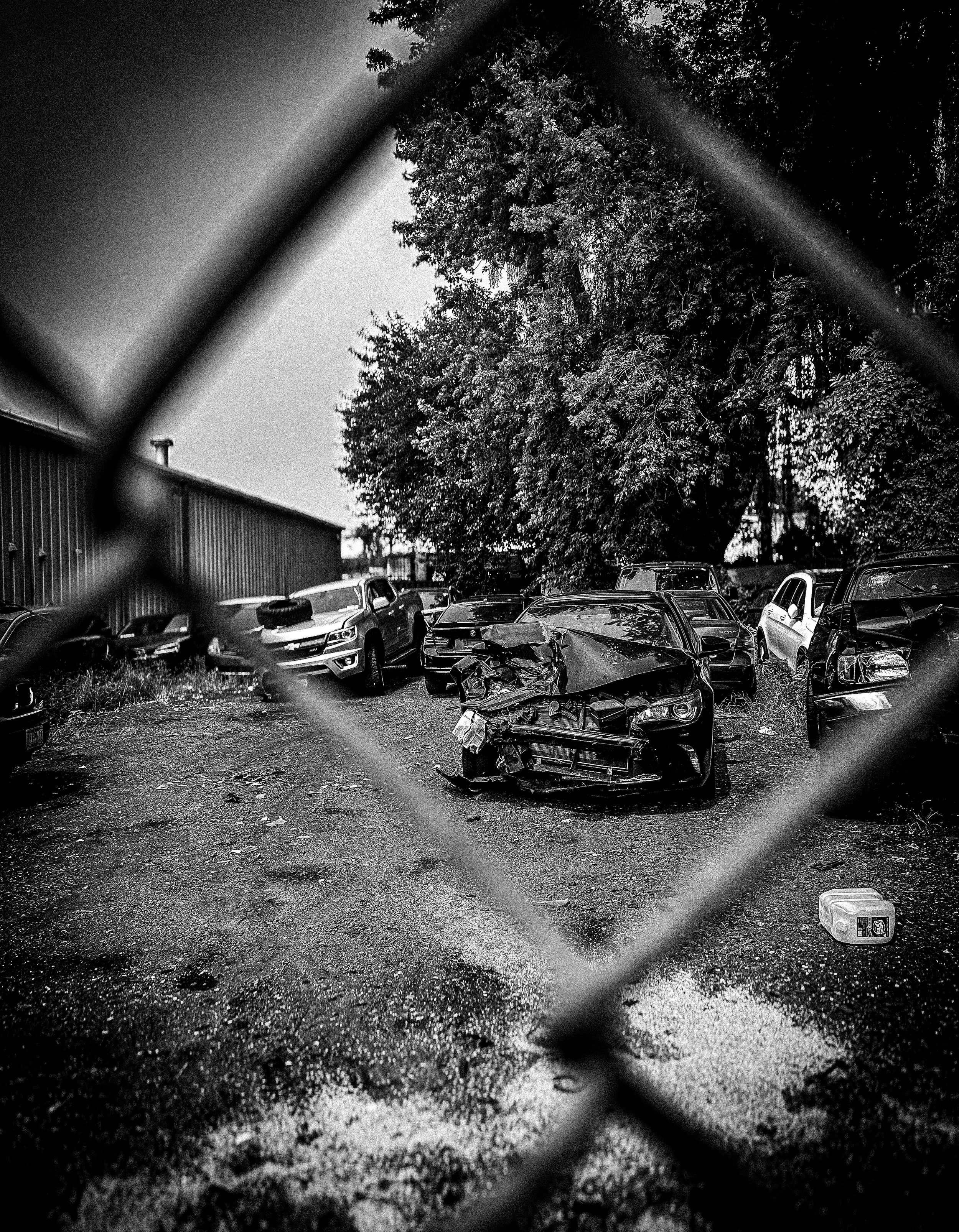
The photo of the broken cars and abandoned building. I took this shot to show just how bad pollution is and it's on a larger scale than just tin cans and plastic jugs.
So how do we fix pollution? One way is to take a short amount of time to throw something out. Another way is to push for more sanitation days, protest, make signs, and do whatever you can. Three thoughts: Do I really want to hurt the environment? Do I really want to be part of the problem? Or, do I want to help fix it? What did I learn? There's more that I can do because I'm not perfect. I have sometimes thrown stuff on the ground rushing. So I could be a little more aware and take a step back and ask myself if I want to be part of the problem.
My closing thoughts: one, thank you for reading my essay I wrote, and two, think before you act and see the results.
Mental Health of Immigrants
By Stephanie Cordozo
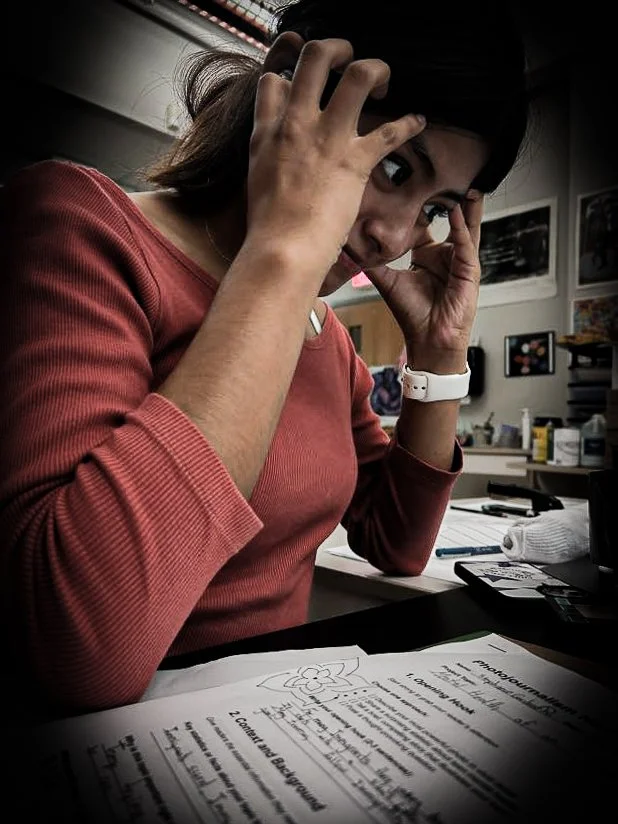
For many immigrants their journey does not end at the border, It starts with a silent battle against mental health. The dream of reaching America is often accompanied by the hope for safety, stability, and opportunity. Yet for many people, that dream comes with harsh realities like financial stability, language barriers, cultural isolation, and the lingering trauma from what they endured before and during their migration.
Ever since Trump began his journey as the new USA president he began having a hate towards immigrants and showing it off to the public by increasing the ICE operations, which is immigration and customs enforcement, that created an environment where many immigrants, documented or not, live in constant fear of deportation. This fear alone is enough to harm mental health, leading to anxiety, depression, and a constant sense of unease. For some, even stepping outside for work or going to the grocery store became a calculated risk.
On top of these fears, immigrants often face overwhelming stress related to finding and keeping a job. Many work long hours in low-paying jobs that don't often assure payment since there are a lot of people who use immigrants to not waste their money on other workers which causes fear and energy left for self care or trust issues. For undocumented workers, some employers exploit their legal vulnerability by refusing to pay the full amount or withholding payment altogether, knowing the worker has little legal resources. This financial instability makes it nearly impossible to feel secure or plan for the future, further feeding feelings of hopelessness.
Language barriers add another layer to this struggle. Not understanding English well can make even simple tasks, such as going to the doctor, helping children with homework, or handing legal documents, feel overwhelming and isolating. Miscommunication at work can cause job loss, and lack of understanding in the medical setting can result in inadequate care. For many immigrants, this constant state of confusion and misunderstanding erodes their confidence, deepening feelings of loneliness and detachment from society.
Environmental Conservation
By Ella Perusse
Why would one take the life of that which gave it to them? One should protect and cherish the land that granted them the life they have. The importance of Environmental Protection becomes more essential every year as climate change worsens and critical ecosystems are destroyed.
In the United States, under the new administration, many restrictions and protections put in place to protect the environment have been abandoned. This is important because it has not only impacted the environment, but also public health negatively, as these protections were put in place to prevent and limit toxins entering the environment and places inhabited by humans.
During the current President’s first term, the National Invasive Species Council was called to disband, threatening the Central Valley of California and its invasive swamp rat issue. In New York, similar problems can be found, with the infestation of the Spotted Lantern Fly, a fly native to areas of East Asia such as China and Vietnam. Threats to ecosystems such as invasive species are especially dangerous since they are able to spread so quickly. With no natural predator, these invasive species can easily overtake whatever species they would be in competition with for food. In 2017, an analysis of global extinctions revealed that invasive/alien species contributed to “25% of plant extinctions and 33% of terrestrial and freshwater animal extinctions.” The extinctions of these plants and animals are detrimental to many ecosystems, leading to a loss of biodiversity. Biodiversity, defined as “the variety of all living things and their interactions” by the Museum of Natural History, is vital to a healthy ecosystem. The issue of lessening biodiversity in ecosystems has a harmful impact on humans as well. Necessary resources are lost as well as the creatures that are crucial to the ecosystem, damaging the circle of life.
The aim for this project is to make more people aware and feel a stronger sense of caring and cherishing of the environment, as well as educating those who do not know the harm brought about by invasive species.
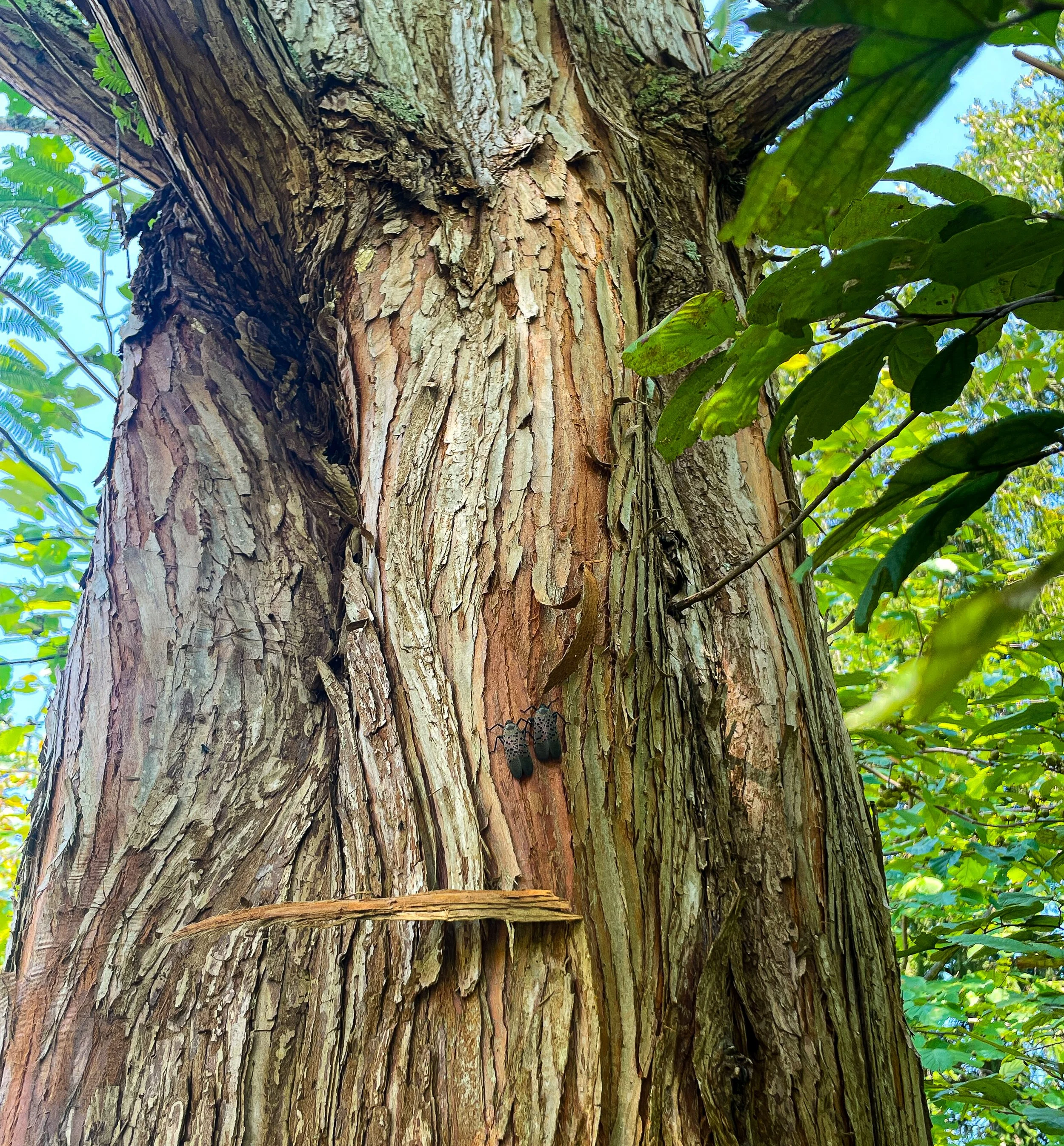
Photo 1
This photo depicts 2 of the Spotted Lanternflies on a tree. These flies feed on the tree, weakening it and causing the tree to be more susceptible to disease. Like many others, this tree is necessary to its habitat and environment, and this photo highlights the danger of these invasive species.
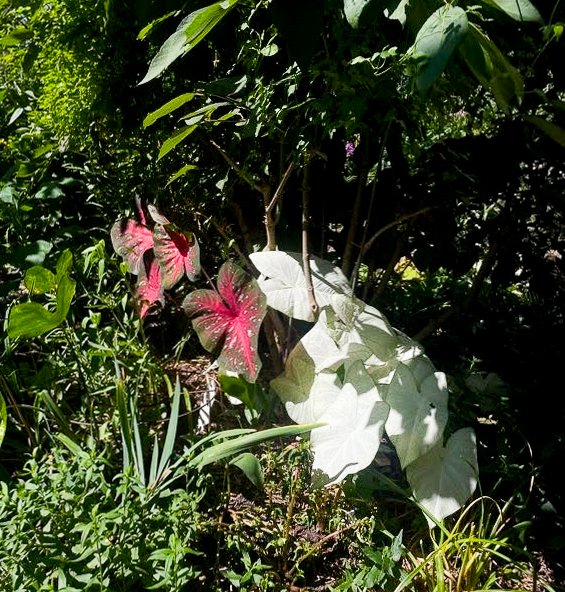
Photo 2
This picture exhibits many different kinds of plants, specifically two brightly colored plants known as Angel Wings or Heart of Jesus. The variety brings about the beauty, showcasing the different colors, contrasting between a light green, a pink, and dark green.
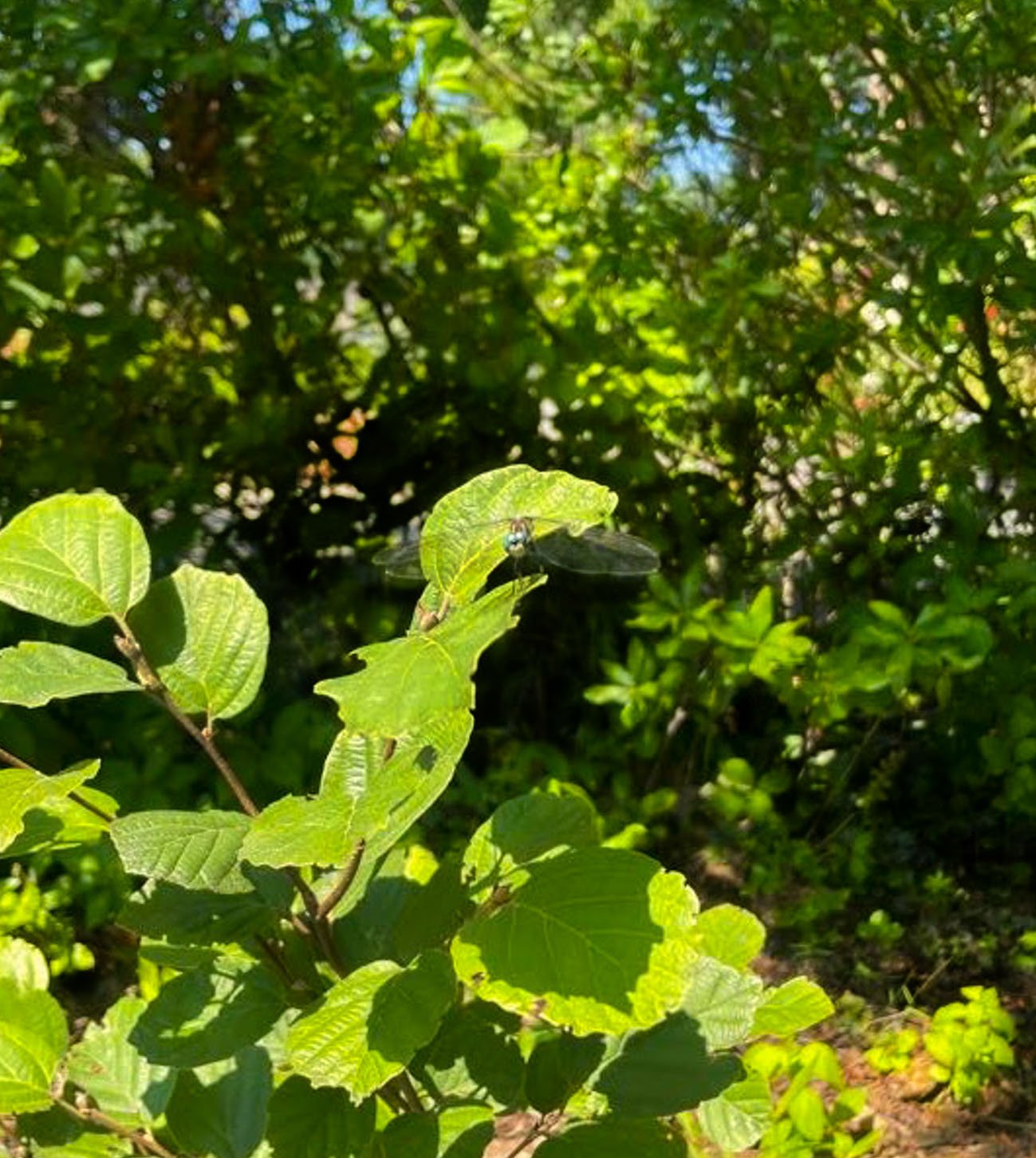
Photo 3
This photo has a dragonfly on a plant, another example of biodiversity. This is opposite to the photo of the lantern flies since the dragonfly is a key creature in its environment. Dragonflies are predators to other insects, keeping the population of their prey in check.